UK Trees Experience Early Spring and Everything Out of Whack Due to Mild Weather
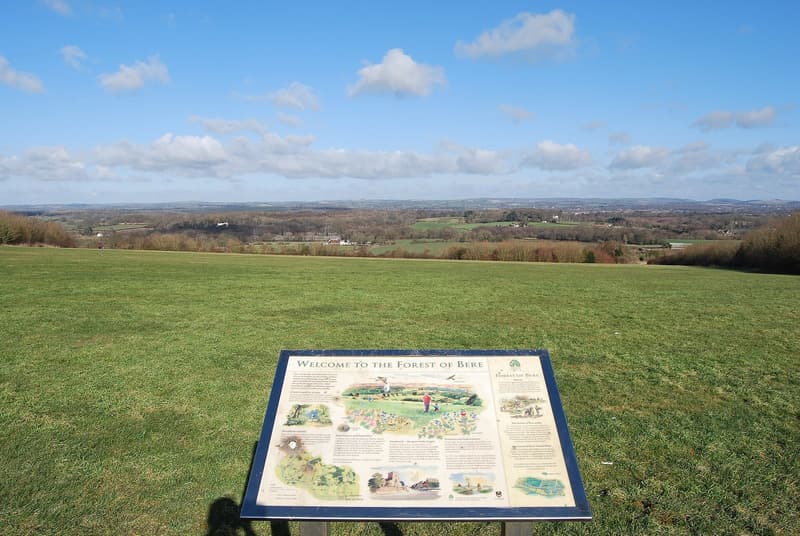
Representative photo · Photo: Barry Shimmon / Wikimedia Commons, CC BY-SA 2.0
Mild autumn temperatures across the UK have caused trees to experience an early spring, raising significant concerns among experts regarding long-term ecological impacts.
British trees are displaying signs of an early spring following a period of unusually mild autumn weather across the United Kingdom. Last month registered higher than average temperatures nationwide, marking the ninth consecutive month with above-average mean readings. This unusual warmth has prompted horse chestnut trees and other species to flower and show growth indicators more than six months ahead of schedule.
Experts explain that this premature activity is heavily linked to the severe weather conditions experienced earlier in the year. During the summer heatwaves, many trees underwent a stressed dormancy, shedding leaves prematurely and suffering from severe drought. When autumn rains arrived, the moisture triggered a deceptive signal for the trees to resume flowering out of season. Scientists note that these rising temperatures are driven by the climate crisis and the burning of fossil fuels.
Chris Nichols from the Woodland Trust described the situation, noting that everything is out of whack as trees become mistimed with the insects and pollinators they rely on. Similarly, Dr Kate Lewthwaite warned that the unexpected flowering is a stress response that could weaken canopies and compromise tree survival next year. Kevin Martin from Kew Gardens added that trees returning to growth now will lack proper buds when the actual spring arrives.
Premature autumn flowering in UK trees highlights severe ecological stress and long-term climate risks.
Storm Damage and Future Resilience
The prolonged stress and lack of growth during the summer months have left trees particularly vulnerable to severe weather. Experts observed an increase in tree failures during recent storms, such as Storm Austen and Storm Boelo, noting that weakened specimens struggled significantly against high winds compared to normal conditions.
Why it matters
The disruption in natural tree cycles poses long-term threats to woodland resilience and local wildlife populations that depend on precise seasonal synchronization. Understanding these climatic impacts helps researchers plan conservation measures, such as rewetting woodlands and improving ecosystem management against future extreme weather challenges.
Sources
More like this

Unseasonal US Midwest Low Pressure Brings Late Summer Heat

Early Polar Vortex Disruption Sparks Uncertainty Over UK Weather
Delhi's Weather and Toxic Air Spark Concerns as Winter Pollution Returns