Archaeologist Unearthed Staircase Leading to 1906 San Francisco Basement
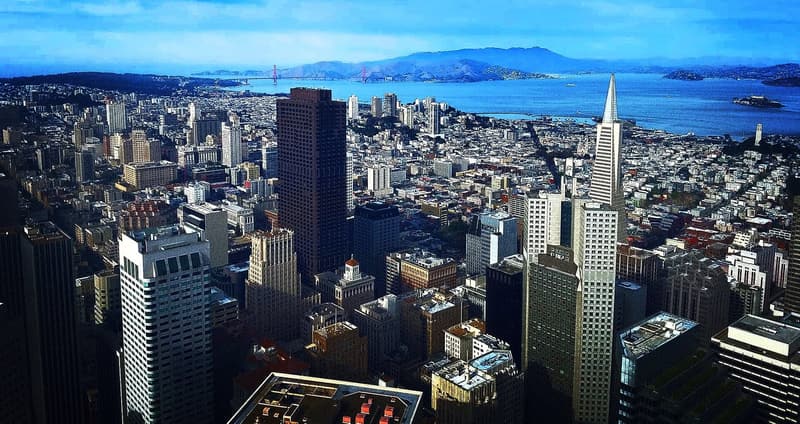
Representative photo · Photo: Lisafern / Wikimedia Commons, CC0
Construction excavations in San Francisco have revealed a perfectly preserved 1906 basement, highlighting the city's hidden layers of history.
In the dense urban landscape of San Francisco, an archaeologist unearthed a staircase that revealed a hidden piece of the city's past. Alex Coburn, a staff archaeologist at the engineering firm Kleinfelder, works to protect cultural resources that are often discovered incidentally during modern construction and excavation projects. His role involves managing the disturbance of historical sites, as much of the city is built upon older, buried infrastructure.
While working on a project near a historic firebreak line established after the 1906 earthquake, Coburn's team discovered the top of a staircase. Upon clearing the debris, they were able to descend into a cellar that remained fully intact since the 7.9-magnitude disaster. The basement contained various artifacts, including bottles, cans, and household items, offering a rare glimpse into life before the city was rebuilt.
Layers of History
San Francisco's unique geography and history have created a substantial network of buried structures. Following the 1906 earthquake, which devastated areas from Van Ness Avenue eastward, it was often more cost-effective to fill and bury collapsed buildings rather than remove them. Consequently, many modern neighborhoods sit directly atop previous developments. This has led to the discovery of diverse items, ranging from 19th-century agricultural furrows and remnants of early schools to Indigenous artifacts belonging to the Ohlone people.
Coburn notes that these finds are not uncommon given the city's layered history. During the Van Ness Improvement Project, crews encountered brick walls, abandoned utility infrastructure, and various archaeological materials. In other instances, workers have even uncovered abandoned ships used as fill to expand the city's landmass in earlier decades. These discoveries serve as a physical record of how the city evolved through centuries of growth and catastrophe.
Excavations in San Francisco frequently reveal intact underground structures preserved since the 1906 earthquake.
Why it matters
The preservation of these sites is crucial for understanding urban history. When archaeological resources are encountered, they provide evidence of past environmental conditions, settlement patterns, and the impact of major disasters. This work ensures that as San Francisco continues to modernize, its historical identity remains documented and respected, particularly when Indigenous cultural resources are involved.
Sources
More like this

NASA Voyager 1 Reaches Historic Milestone of One Light-Day from Earth

Can India feed its growing population with smarter agricultural innovation?
How to spot November's planetary parade in the pre-dawn sky