Can Gadi Eisenkot give the world a different Israel?
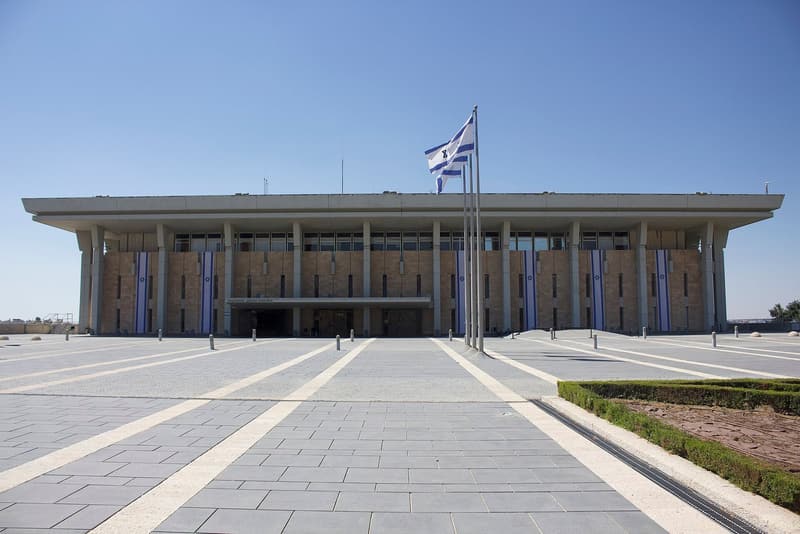
Representative photo · Photo: Clema12 / Wikimedia Commons, CC BY-SA 4.0
Israeli President Isaac Herzog has tasked Yashar party leader Gadi Eisenkot with forming a government following inconclusive elections.
Israeli President Isaac Herzog has tasked the leader of the Yashar party, Gadi Eisenkot, with assembling a new government after recent elections left no political alliance with a majority in the Knesset. As observers ask whether can Gadi Eisenkot beat netanyahu in this political shift, the former military chief of staff now has 28 days, with a possible 14-day extension, to put together a coalition before Herzog allows an alternative leader to try. If this effort fails, new elections will be called.
Eisenkot is unlikely to easily form the type of majority government that outgoing Prime Minister Benjamin Netanyahu has relied on for his right-wing agenda. He may need the support of ultra-Orthodox parties and Arab factions, though internal political dynamics and his own reported discomfort with political maneuvering complicate these prospects. Aida Touma-Sliman, a Knesset member from the Hadash party, noted that Eisenkot appears more willing to compromise with religious parties than to depend visibly on Arab voters.
Eisenkot offers an understated contrast to Netanyahu but risks continuing his established legacy.
Whoever leads Israel next will also face severe challenges regarding the country's standing in the United States, where public reputation has reached an all-time low. Carnegie Endowment senior fellow Aaron David Miller noted that Israel now faces perhaps the toughest US landscape of any administration. Furthermore, Eisenkot's personal background stands in sharp contrast to Netanyahu's privileged upbringing. Born in Tiberias to parents from Morocco, Eisenkot lost his son Gal and nephew Maor in the Gaza war in December 2023, followed by another nephew, Yogev Pazy, in November 2024.
Why it matters
This political transition could alter Israel's domestic governance and its strained international relations, particularly with the United States. While Eisenkot projects a sense of normalcy and military steady-handedness, critics note his role as the architect of the Dahiyeh Doctrine, suggesting that fundamental policies toward Palestinian communities may remain unchanged.
Sources
More like this

Pope Leo XIV begins historic Argentina trip amid political tensions
Windrush accusations as Turkish UK residency applications face rising rejections
Is Unconditional Support for Israel Shaking Republican Politics?