Technology
Canada Palantir Deal Raises Military Data Exposure Concerns
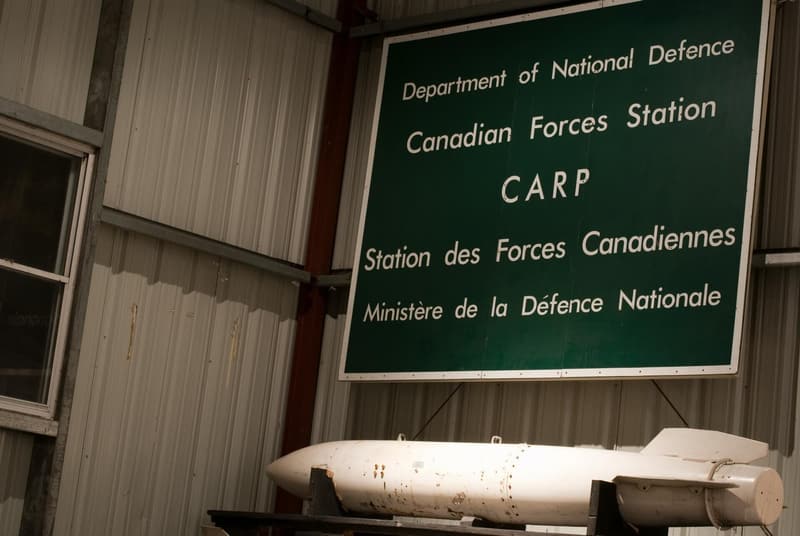
Representative photo · Photo: Iouri Goussev / Wikimedia Commons, CC BY-SA 2.0
Representative photo · Photo: Iouri Goussev / Wikimedia Commons, CC BY-SA 2.0
Canada has entered into multimillion-dollar agreements with Palantir, prompting expert warnings over data exposure and technological dependence.
The Department of National Defence in Canada has entered into multimillion-dollar agreements with the United States-based technology corporation Palantir. This development has brought significant attention to how the nation procures critical software infrastructure for its armed forces. Observers and specialists in defense procurement have raised concerns regarding the implications of relying on foreign vendors for sensitive operations.
Palantir is known for providing advanced data analytics and integration platforms to governments and military organizations globally. While these tools offer enhanced capability in processing large volumes of information, the involvement of a foreign entity in handling domestic defense assets introduces distinct vulnerabilities. Critics have pointed out that such arrangements could potentially grant access or visibility to foreign authorities over sensitive military intelligence.
Canada faces critical questions over foreign software reliance as multimillion-dollar Palantir contracts spark debate.
Furthermore, critics argue that these agreements deepen the country's dependence on foreign technology providers rather than fostering domestic capabilities. As digital infrastructure becomes increasingly central to modern defense strategies, the balance between utilizing cutting-edge commercial solutions and maintaining sovereign control over national security data remains a delicate challenge for Ottawa.
The ongoing discussion around the Canada palantir deal highlights broader strategic questions about sovereign technological autonomy. Policymakers must weigh the immediate tactical benefits of advanced software platforms against the long-term risks of foreign data exposure and industrial reliance.
These procurement decisions affect national security oversight and shape how defense capabilities are developed and maintained. The reliance on external vendors influences both domestic technological growth and the security of sensitive military information.