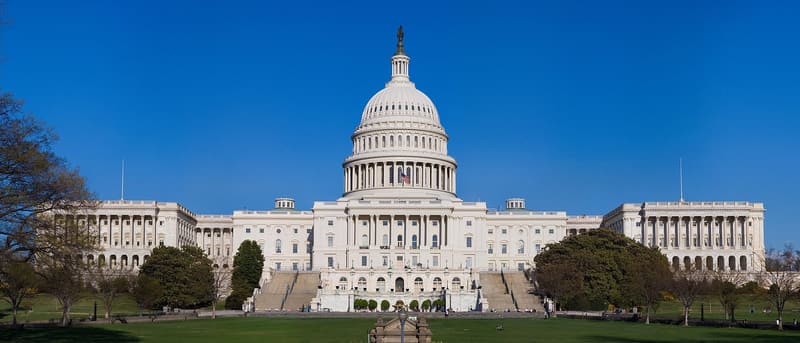
New Congress May Struggle to Push Progressive Agenda
Representative photo · Photo: Noclip / Wikimedia Commons, Public domain
Following a historic midterm victory, congressional Democrats face legislative and executive limits that could hinder their progressive agenda.
As the results of the 2026 US midterm elections settle, Democrats have secured a historic victory in Congress while Donald Trump remains in the White House for the next two years. This political dynamic means congressional Democrats will navigate three distinct legislative lanes, though the broader question of whether the new Congress may override a presidential veto by constitutional means remains central to their strategy of constraining the administration.
Legislative Lanes and Obstacles
The first lane focuses on constraining Trump, including blocking judicial nominations, ending aggressive immigrant detentions, bringing the Iran war to a conclusion, and investigating alleged financial corruption. The second lane involves demonstrating a positive policy agenda for the 2028 election cycle through messaging bills on social issues, tax reform, and foreign policy shifts regarding Israel. The final lane covers potential bipartisan cooperation, such as placing guardrails around the artificial intelligence sector, though industry funders may attempt to derail such progress.
Many proposed bills will face presidential vetoes or face dilution from establishment Democrats seeking to resist the progressive wing's ambitious goals. On foreign policy, Congress can pass war powers legislation or demand human rights reporting on foreign actors, but these measures risk being stonewalled by the executive branch. Meanwhile, the power of the purse gives Democrats control over upcoming government funding and annual allocations, such as security assistance to Israel, though internal party disagreements will likely spark intense debates.
Congressional Democrats face major hurdles in enacting their legislative goals due to presidential vetoes and establishment moderation.
Oversight and Party Dynamics
With congressional majorities, Democrats will direct oversight committees to investigate administration actions, such as the Board of Peace and US involvement in the Iran conflict. While some base members demand public inquiries into the US role in Gaza, establishment leadership is expected to avoid investigations that deeply divide the party or ensnare prior administration officials. A secure majority size means leadership will make fewer concessions to the progressive left, setting the stage for significant internal debate over appropriations and foreign policy.
Why it matters
Major changes on key issues like Israel-Palestine will remain limited by the president and the Democratic establishment. While a congressional majority does not grant complete control, it ensures Democrats own the legislative branch's decisions ahead of the 2028 elections.
Sources
More like this
Democrat Jon Rosenthal Elected Texas Railroad Commissioner
US-Israel Relations Face Political Shift After Midterms
Is Donald Trump a Lame Duck After Losing Both Houses of US Congress?