Is Donald Trump a Lame Duck After Losing Both Houses of US Congress?
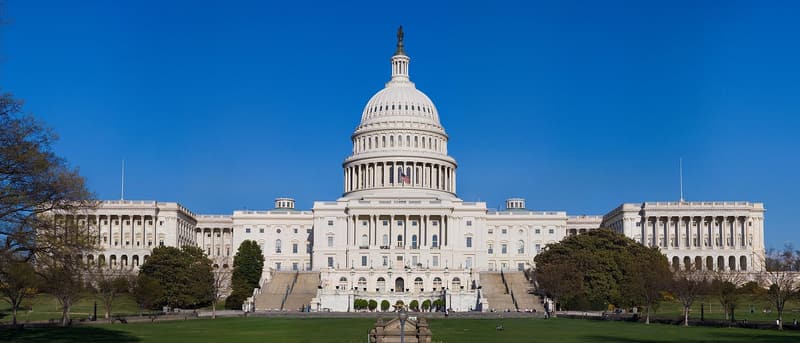
Representative photo · Photo: Noclip / Wikimedia Commons, Public domain
Following midterm losses where Democrats secured both houses of Congress, analysts are debating whether Donald Trump has entered a lame duck period.
Following the recent midterm elections, the Democratic Party has secured majorities in both houses of Congress after flipping several long-held Republican seats. In response, a defiant President Donald Trump offered a mixed reaction, stating on Truth Social that Republicans would have won by a landslide if he had been personally on the ballot. During an interview with The New York Times at the White House, he expressed willingness to accept the outcomes and cooperate with Democrats, yet he simultaneously shared an image of a red MAGA hat featuring the word veto.
While critics and commentators immediately declared the president to be a lame duck, historical precedent shows that US leaders retain significant executive powers despite divided government. The term traditionally applies to an outgoing politician with reduced influence due to limited time remaining, but experts note that executive authority remains robust. In the past, Trump utilized executive orders to bypass legislative gridlock, such as declaring a national emergency in January 2025 to reallocate funds for a southern border barrier when Congress provided only a fraction of the requested amount.
Understanding the Impact on Trump Congress Dynamics
Presidential vetoes require a two-thirds majority in both the House of Representatives and the Senate to overturn, a threshold Democrats cannot reach independently. Trump recently told Fox News that he plans to veto all legislation he deems insane from Democrats before eventually forcing them to negotiate. Historical examples demonstrate that outgoing presidents often pivot toward foreign policy and autonomous executive actions. Former President Barack Obama finalized the Iran Nuclear Deal and normalized diplomatic relations with Cuba after losing control of Congress in 2014, while Bill Clinton focused on environmental protections and international peace efforts during his final months.
Despite losing legislative control, the US president retains extensive executive authority to pursue key objectives.
James Boys, a research fellow at the Centre on US Politics at UCL, noted to Al Jazeera that many policy areas remain outside congressional reach, emphasizing that the US Constitution grants the president wide-ranging authority in foreign policy where Trump is expected to concentrate his remaining time in office.
Why it matters
This shift in legislative power alters how the administration will govern during the remainder of the presidential term. Although Democratic majorities in both houses of Congress will significantly diminish the president's influence over domestic legislative agendas, his ability to issue executive orders and veto bills ensures that the executive branch remains a formidable force in American politics.
Sources
More like this
Progressive Randy Villegas Wins California Central Valley Race
Democrat Jon Rosenthal Elected Texas Railroad Commissioner
US-Israel Relations Face Political Shift After Midterms