Government Review Proposes to Cut England Police Forces to Nine Super Forces
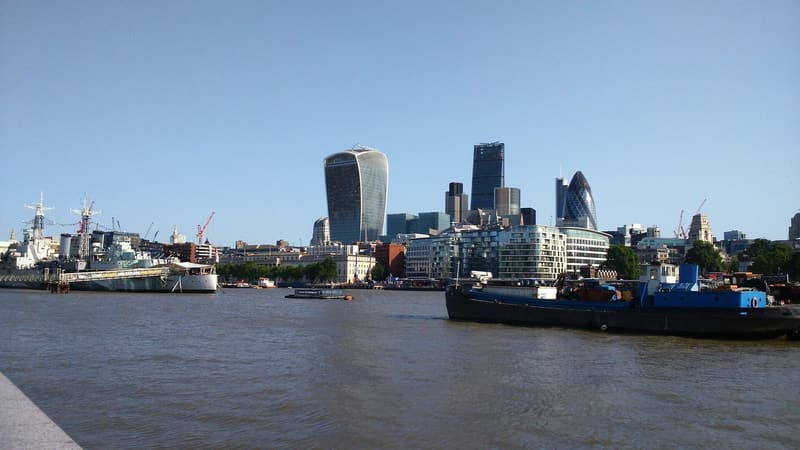
Representative photo · Photo: VirtuallyLondonBecky / Wikimedia Commons, CC BY-SA 4.0
An official review led by former Met commissioner Bernard Hogan-Howe recommends consolidating England's 39 police forces into as few as nine regional super forces.
A government-commissioned review has proposed a radical transformation of the British law enforcement landscape, suggesting that the current structure should be cut in England from 39 individual police forces to as few as nine super forces. The report, authored by former Metropolitan Police commissioner Bernard Hogan-Howe, argues that the existing model is outdated and inefficient, contributing to a postcode lottery of service quality for crime victims.
A new structure for policing
Under the proposed changes, the government would establish regional forces supported by a new National Police Service. This national body would oversee counter-terrorism and serious organized crime, while regional entities would handle major crimes like murder and sexual violence, alongside centralized back-office functions such as human resources. While the review suggests a range between nine and 18 forces, the primary goal is to move away from the current 43-force model, which critics claim is too slow to adapt to emerging threats. The report emphasizes that these larger units would allow for more rapid innovation in crime-fighting techniques.
The government is considering a radical plan to consolidate England's 39 police forces into nine regional units.
Despite the push for reform, the proposal has faced skepticism from some chief constables. Concerns have been raised regarding the potential loss of local connection, with some officials questioning the effectiveness of such large-scale structures. Critics point to the fact that some of the largest existing forces have previously struggled, leading to special measures and leadership changes. Furthermore, the implementation of these changes remains subject to political debate, particularly regarding how new police structures might align with the government's broader devolution agenda and the role of regional mayors.
Government sources indicate that the report, which was completed in September, will be published before Christmas. A white paper outlining the government's formal response is expected in the new year. The process is expected to involve the mass abolition of existing police forces and the creation of new, larger entities, a move that some police leaders worry could take years to yield a positive return on investment.
Why it matters
These proposed reforms represent the most significant change to policing in seven decades. By centralizing major crime operations and streamlining administrative functions, the government aims to create a more responsive and uniform system across the country. The shift will impact how local policing is delivered and managed, fundamentally altering the accountability structures currently held by police and crime commissioners.
Sources
More like this
US Midterms Deliver a Major Win for Science and Healthcare Professionals

Outcry After ICE Detains US Citizen Walking to High School
US Midterm Results and the Future of Conflicts in Iran, Gaza and Ukraine