US Midterms Deliver a Major Win for Science and Healthcare Professionals
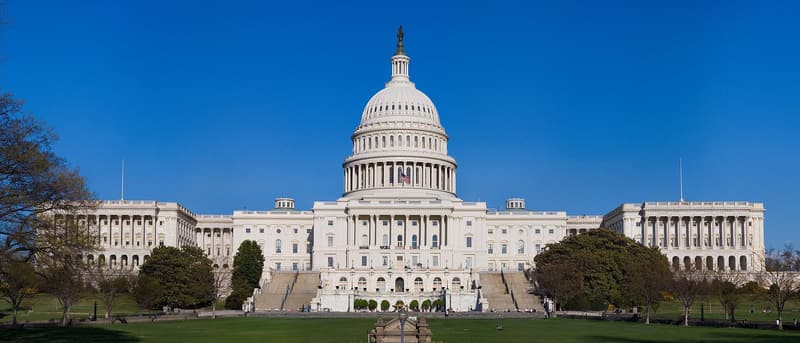
Representative photo · Photo: Noclip / Wikimedia Commons, Public domain
Democratic doctors and scientists secured significant electoral victories, signaling a shift in national priorities after years of upheaval in the American public health infrastructure.
The 2026 US midterm elections have delivered a notable shift in political leadership, with a wave of Democratic doctors and scientists winning seats across the country. Supporters of this movement, which seeks to counter the influence of the Make America Healthy Again (Maha) movement, are describing the results as a "Stem swing" or a "revenge of the nerds." While some may search for the meaning of revenge in various contexts, these voters have clearly prioritized healthcare affordability and scientific expertise at the ballot box.
Democratic doctors and scientists secured major electoral wins, signaling a rejection of recent public health policies.
Historically, the majority of physician-members in Congress were Republican, with data from 2011 to 2020 showing 86% of such lawmakers aligned with the GOP. The 2026 results inverted this trend, as incumbent Democratic doctors successfully defended their seats while several Republican counterparts faced defeat. Notable victors include Dr. Abdul El-Sayed of Michigan and Dr. Annie Andrews of South Carolina. Erik Polyak, executive director of 3.14 Action, stated that healthcare affordability was the primary concern for voters, noting that these professionals are uniquely equipped to address the complex challenges facing the system.
This shift follows years of significant disruption within federal health institutions. The Centers for Disease Control and Prevention (CDC) saw a substantial loss of staff during a measles outbreak, while the National Institutes of Health (NIH) faced leadership changes and research cancellations. Campaign spending reflected these tensions, with Democrats investing heavily in healthcare-focused advertising. According to the Cook Political Report, Democrats ran over 158,000 healthcare-related ads, compared to 61,000 for Republicans. These campaigns often focused on local issues, such as rural hospital stability and public health responses to outbreaks.
Why it matters
The election results represent a significant rebuke of recent federal health policies and a mandate for change. As new lawmakers prepare to take office, they face the challenge of addressing the One Big Beautiful Bill Act, which includes Medicaid work requirements set to take effect in 2027. These changes, which could impact insurance coverage for millions, will be a central focus for the incoming cohort of scientists and doctors as they attempt to shape a new healthcare agenda.
Sources
More like this

Government Review Proposes to Cut England Police Forces to Nine Super Forces

Outcry After ICE Detains US Citizen Walking to High School
US Midterm Results and the Future of Conflicts in Iran, Gaza and Ukraine