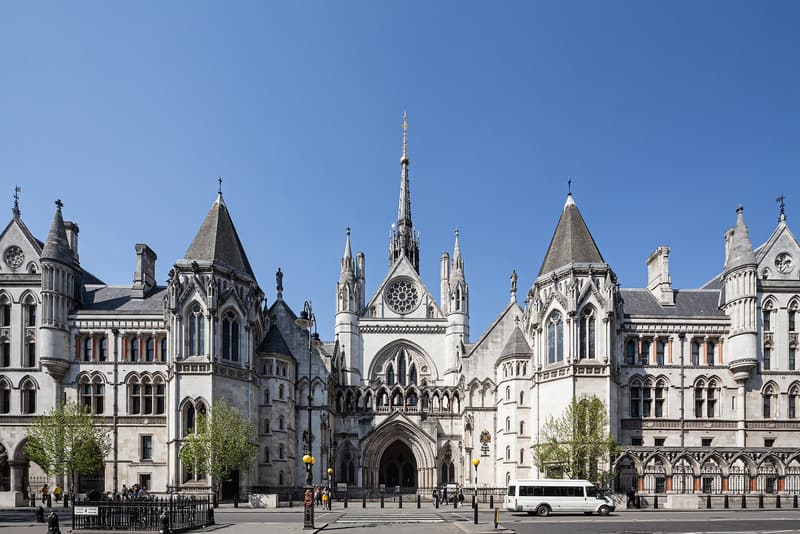
Court of Appeal hears arguments on Henry Nowak case sentencing
Representative photo · Photo: This image was produced by me, David Cas / Wikimedia Commons, CC0
The Attorney General is challenging the sentence of Henry Nowak’s killer, arguing it is too lenient, while the defendant claims his jail term is excessive.
The Court of Appeal is currently reviewing the sentence of Vickrum Digwa, the man responsible for the death of Henry Nowak. The case, which has drawn significant public attention, centers on whether the original life sentence with a minimum term of 21 years was sufficient given the circumstances of the crime. Digwa, 23, was convicted of murdering 18-year-old Henry Nowak during an attack in Southampton last December.
Attorney General Ellie Reeves has referred the sentence to the court, labeling it "unduly lenient." Representing the Attorney General, Jonathan Polnay KC argued that the sentencing judge failed to adequately account for several aggravating factors. Central to the prosecution's argument is that Digwa falsely accused his victim of racism and knocking off his turban when police arrived at the scene. This deception led officers to handcuff the dying teenager before they realized the severity of his injuries, an event that subsequently triggered riots in Southampton.
The Henry Nowak case and sentencing disputes
Polnay further contended that Digwa abused the religious privilege afforded to Sikhs to carry a blade in public. While acknowledging the legal right to carry a kirpan, Polnay stated that Digwa used a large dagger, associated with his membership in the Nihang order, to commit lethal violence. He argued that using an article protected by religious accommodation for such a crime constitutes an aggravating factor of significant weight. Other cited factors include Digwa’s attempts to pervert the course of justice, his mother’s involvement in concealing the weapon, and the act of filming the victim while he was dying.
Conversely, Imran Khan KC, representing Digwa, argued that the sentence was "manifestly excessive." He challenged the prosecution to identify a "gross error" by the sentencing judge, asserting that the judge had already considered the weapon and religious context during the initial sentencing. Khan maintained that carrying a knife for religious reasons should not automatically lead to longer sentences for Sikh offenders. Furthermore, he argued that while Digwa’s false claims to police were reprehensible, they did not alter the fatal outcome for the victim.
The Court of Appeal is weighing whether the sentence for Henry Nowak's killer should be increased.
Why it matters
The outcome of this appeal will clarify how courts weigh aggravating factors, such as the misuse of religious exemptions and attempts to pervert justice, against standard sentencing guidelines. It highlights the legal complexities involved when criminal acts intersect with sensitive community issues, impacting how future cases involving similar aggravating circumstances are handled in the UK justice system.
Sources
More like this

Six People Dead and Seven Injured After Fire at Brooklyn Home

Authorities Seize 3,000 Tarantulas in Peruvian Airport Smuggling Attempt

Four People, Including a Child, Killed in Israeli Attacks on Gaza