DOJ Launches Super Intelligence Task Force to Combat AI Misuse
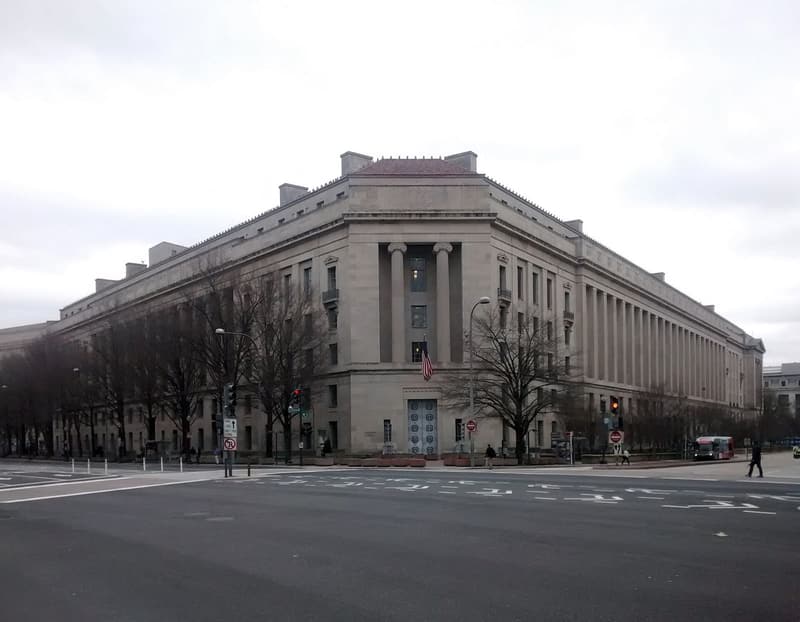
Representative photo · Photo: Gunnar Klack / Wikimedia Commons, CC BY-SA 4.0
The U.S. Department of Justice has established a new task force to police the misuse of advanced artificial intelligence by criminal groups and foreign actors.
This is news, not investment advice. NexVani Media is not a SEBI-registered investment adviser and does not recommend buying or selling any security. Do your own research or consult a registered adviser before investing.
The U.S. Department of Justice has officially launched the Super Intelligence Task Force, or DOJ-SITF, to address the growing risks associated with advanced artificial intelligence. As the government seeks to establish enforcement mechanisms for this rapidly evolving technology, the DOJ is focusing on the potential for AI to be exploited by foreign governments, criminal organizations, and individuals engaged in fraud. While the DOJ is a well-known entity, many people searching for information on the agency often ask, "who controls the doj," and this new initiative highlights the department's expanding role in regulating cutting-edge technological threats.
The Mandate of the DOJ-SITF
Announced on Thursday, the task force will be led by Associate Attorney General Stanley Woodward and Associate Deputy Attorney General Stephen Weiss. The mission is designed to protect American leadership in the field of "super intelligence"—a term representing AI systems that surpass human capabilities—from being compromised by malicious actors. Attorney General Todd Blanche stated that the department intends to identify and prosecute those who use these systems to target American taxpayers, infrastructure, or national security interests. The initiative aligns with the administration's view that the U.S. remains at the center of a new technological revolution.
The DOJ-SITF will target AI misuse by criminals and foreign actors while mandating stricter developer controls.
Beyond criminal prosecution, the task force is tasked with ensuring that AI developers implement robust internal safeguards. Associate Deputy Attorney General Stephen Weiss emphasized that the department has a responsibility to ensure that companies maintain rigorous controls so that their models behave as intended. This focus on corporate accountability marks an escalation in how federal officials are addressing the risks of AI models going off the rails.
A Broader Federal Scramble
The DOJ-SITF joins a wider federal effort to manage AI-related risks. The administration has recently taken several steps, including an executive order regarding AI regulation and the Office of the Comptroller of the Currency issuing its first framework for banks to handle rogue AI agents. Additionally, the SEC has officially included "super intelligence" in its 2027 examination priorities. While the DOJ has not yet provided a specific timeline or details on how it will coordinate with other regulatory bodies, it confirmed that the task force will work alongside SI Force Chair Jay Clayton to promote innovation while preventing the weaponization of the technology.
Why it matters
This initiative signals a shift toward more aggressive federal oversight of AI development. By requiring developers to harden their internal controls, the DOJ is moving beyond reactive law enforcement to proactive risk management.
For international observers and the tech sector, this move suggests that companies operating in the U.S. market will face increased scrutiny regarding the safety and security of their AI models. The focus on preventing foreign manipulation of critical technologies underscores the government's intent to treat AI security as a core component of national defense.
Sources
More like this

South Korea Proposes Two-Year Delay for Crypto Tax Until 2029

Zcash NU7 Upgrade Risks Freezing Millions in Legacy Privacy Pool

Binance and Deribit Revoke API Keys Following SignalPlus Security Breach