European Airlines Face Coordinated Wave of Hoax Bomb Threats
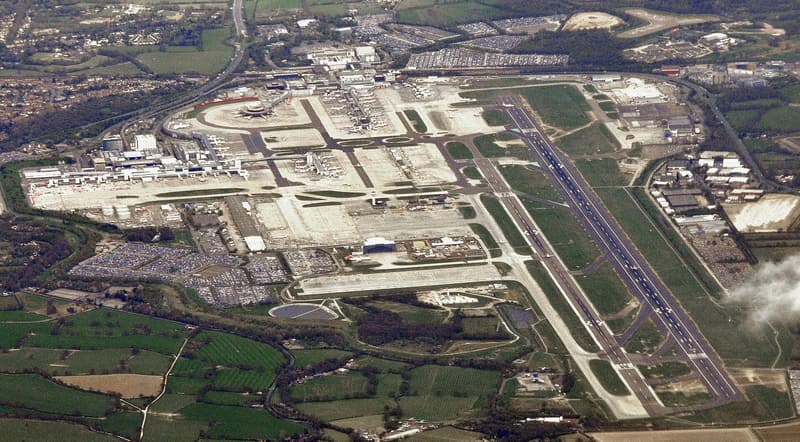
Representative photo · Photo: Mike McBey / Wikimedia Commons, CC BY 2.0
A series of coordinated hoax bomb threats has disrupted European air travel, raising questions about potential state-sponsored hybrid warfare tactics.
A wave of coordinated bomb threats has targeted airlines and airports across Europe, causing significant operational disruptions. While many in the Who European Region are questioning the source of these incidents, authorities are working to determine if they are part of a broader campaign. In most instances, the warnings were deemed credible enough to warrant flight diversions, with Italian authorities even scrambling fighter jets to escort a threatened aircraft. London’s Heathrow Airport was a notable exception where operations remained largely unaffected.
No hard evidence currently links the airline bomb threats to Russia, Iran, or any proxy groups.
Investigating the Who European Region Threats
These incidents are occurring against a backdrop of wider security concerns across the continent. Earlier this year, Europe experienced a series of cyber-attacks, mysterious drone sightings over sensitive infrastructure, and the remote hacking of supermarket freezers and a blood bank. In August, a drone attack on Germany’s Leipzig Halle airport was publicly attributed to Moscow by the German interior minister. Given this context, some observers suggest these airline hoaxes could be a manifestation of "hybrid" or "grey zone" warfare—tactics designed to damage infrastructure or society while remaining anonymous and deniable to avoid triggering a formal NATO response.
One specific threat sent to Rome on Thursday purported to come from the "Fighters of the Male State." This name appears to reference the Muzhskoi Legion, an ultra-right Russian group banned by a Moscow court in 2021. However, experts caution that this could be a deceptive attempt to deflect blame or hide the true identity of the perpetrators. Even if the claim were genuine, it provides little immediate clarity for police and transport ministries tasked with mitigating future threats.
Russian bloggers have suggested that if Western sanctions and Ukrainian drone activity affect Russian aviation, Western nations should experience similar instability. Despite this rhetoric and the geopolitical tensions surrounding NATO's support for Ukraine, investigators have yet to uncover definitive proof linking these specific hoaxes to any state actor or proxy group. For now, authorities are prioritizing cold, hard evidence over circumstantial speculation to identify who is generating these disruptions and why.
Why it matters
The persistence of these hoax threats forces police and airport authorities to balance passenger safety with operational continuity. While these incidents have not yet triggered a major international security response, they highlight the vulnerability of European transport networks to anonymous, disruptive tactics that fall below the threshold of traditional military conflict.
Sources
More like this
Saudi Coalition Intercepts Ballistic Missile Fired Towards Medina Region

US Accuses Mexican Judge of $2m Bribe to Free Suspect Linked to Ryan Wedding
Melania Trump Hosts Russian and Ukrainian Officials for Peace Talks