The Blame Game: How the US Midterm Shock is Shaping Israel’s Race for PM
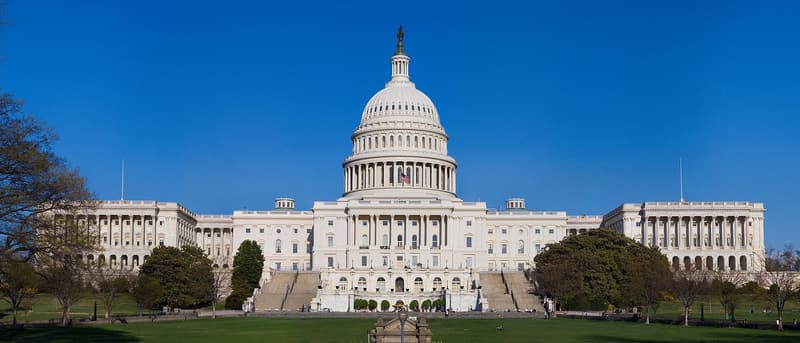
Representative photo · Photo: Clema12 / Wikimedia Commons, CC BY-SA 4.0
Benjamin Netanyahu's political future hangs in the balance as his close ties to the US become a liability following the Republican midterm defeat.
As Israel’s political leaders navigate the aftermath of the October 27 general election, the nation is grappling with the question of how Israel became so powerful in the eyes of its allies and whether that influence is now waning. Prime Minister Benjamin Netanyahu has long campaigned on his ability to maintain a robust relationship with the United States. However, the recent disastrous performance of the Republican Party in the US midterm elections has cast doubt on this strategy, with critics arguing that Netanyahu’s policies have made Israel politically toxic in Washington.
Netanyahu’s once-prized relationship with the United States is now a liability in his bid for power.
Opposition leaders have been quick to capitalize on this shift. Yair Lapid, a former prime minister, argued that American voters are reacting against extremist ministers and the perceived toxicity surrounding Netanyahu. Meanwhile, Avigdor Lieberman suggested that the US decision to end military aid was a direct consequence of the prime minister’s alignment with Donald Trump. Security analyst Ahron Bregman noted that the loss of US financial support will likely force an increase in Israel's defense budget, which already consumes 7 percent of its GDP.
The Path to Power
The election results left Netanyahu’s right-wing bloc with only 53 seats, falling short of the 61 required to form a government. While Gadi Eisenkot’s opposition bloc holds 48 seats, it has secured the support of the 19 seats held by Arab-led parties. Netanyahu’s position was further weakened when his long-term ultra-Orthodox ally, United Torah Judaism, declined to recommend him for the premiership. Despite this, experts warn that replacing Netanyahu may not be enough to mend Israel’s standing in the US. Pollster Shibley Telhami noted that public opinion in America has soured toward Israel itself, regardless of who holds the office of prime minister.
Why it matters
The potential shift in leadership and the cooling of US-Israel relations signal a period of uncertainty for the country’s foreign policy and defense spending. As Israel faces the prospect of reduced American military aid, the economic burden of maintaining its security apparatus will likely grow, directly impacting the domestic economy and the daily lives of its citizens.
Sources
More like this
Trump Administration Held Secret Talks to Deport Iranians Amid Ongoing Conflict
Kansas Elects Democrat Senator in Stunning Shift Away From Deep-Red Politics
Nithya Raman Elected as Mayor of Los Angeles