Why wealthy countries are failing to fund climate adaptation for developing nations
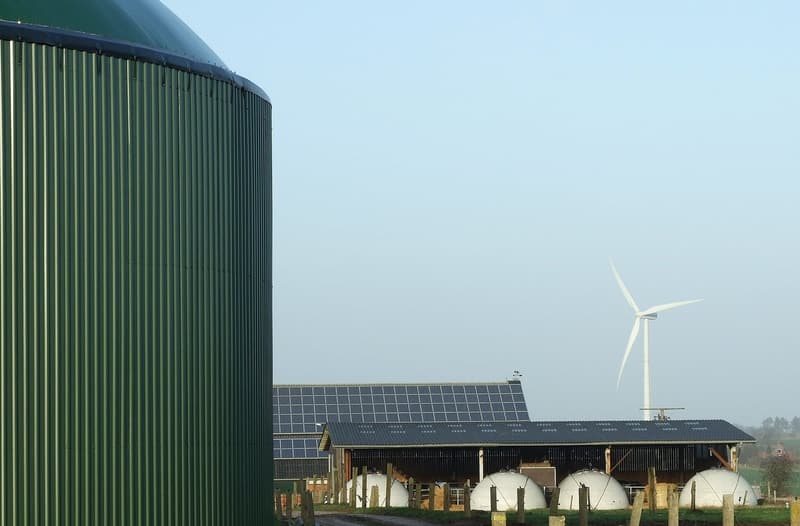
Representative photo · Photo: Mammysou17 / Wikimedia Commons, CC BY-SA 4.0
A new UN report highlights a critical shortfall in climate adaptation funding, as wealthy nations fail to deliver on pledges to support developing countries.
The United Nations Environment Programme has released a stark assessment regarding the global response to the climate crisis. The report warns that current efforts to adapt to the rising human and economic costs of environmental change are insufficient and failing to keep pace with the severity of the situation. While many people wonder why wealthy countries act differently regarding global commitments, the reality is that those nations responsible for the majority of historical carbon emissions are not meeting their financial obligations to the rest of the world.
Why wealthy countries fail to meet pledges
For years, international discussions at successive Conference of the Parties (COP) meetings have resulted in promises of billions of dollars to assist developing nations in building resilience against climate-related disasters. However, the UN report indicates that only a small fraction of these earmarked funds has actually reached the countries that need them most. This gap between promise and delivery leaves vulnerable regions struggling to implement necessary infrastructure and protective measures.
Wealthy nations are failing to provide the promised climate adaptation funding to support developing countries.
To discuss the implications of this funding shortfall, NexVani Media spoke with experts including Sandrine Dixson-Decleve, honorary president of the Club of Rome; Avantika Goswami, who manages the climate change and green economy programme at the Centre for Science and Environment; and Danny Sriskandarajah, chief executive of the New Economics Foundation. These perspectives underscore the urgency of bridging the gap between international rhetoric and tangible financial support.
Why it matters
The failure to distribute promised adaptation funds directly impacts the survival and economic stability of developing nations. These countries face the most immediate threats from climate-driven disasters, yet they lack the resources to mitigate these risks effectively.
For readers in India and South Asia, this shortfall is particularly significant. As these regions are highly susceptible to climate volatility, the lack of international financial support hampers local efforts to protect communities and economies from the escalating costs of environmental degradation.
Sources
More like this

Heavy rain triggers severe flash flooding along the Georgia-Tennessee border
Authorities Launch Major Investigation Into County Down River Pollution

South West Water Faces Regulatory Action Over Persistent Leakage Issues