German unions launch industrial action over wage disputes and cost-of-living
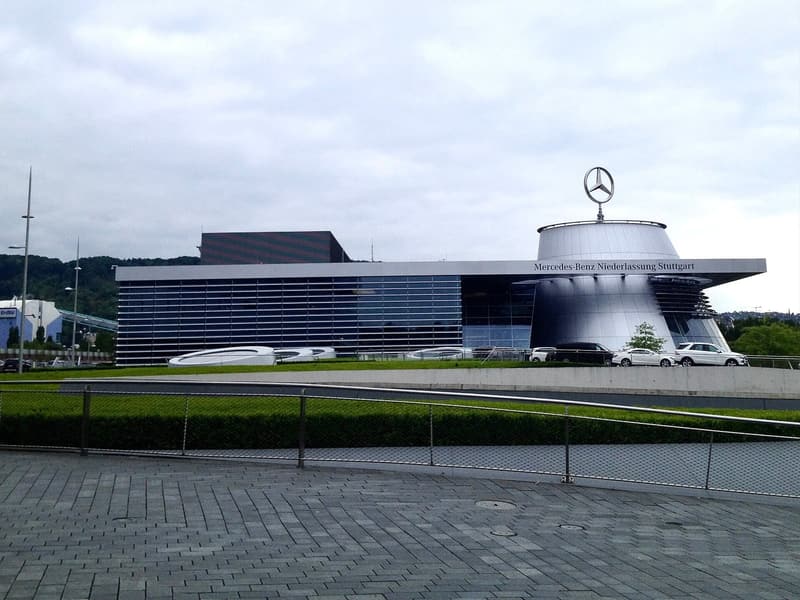
Representative photo · Photo: Ank Kumar / Wikimedia Commons, CC BY-SA 4.0
Germany's IG Metall union has initiated a series of strikes across the metal and electrical sectors, demanding higher pay amid soaring living costs.
The IG Metall union has initiated a widespread series of strikes across Germany, impacting major manufacturers including Mercedes-Benz, Audi, and Tata Steel. This industrial action, which escalated on Monday, involves approximately 3.7 million employees within the country's metal and electrical engineering sectors. As German trade unions push for better working conditions, the movement reflects broader economic tensions currently affecting the workforce.
The union is seeking a 5 percent salary increase to combat inflationary pressures, alongside demands for enhanced job security and profit-sharing models for high-performing companies. These actions follow a weekend of public demonstrations, where thousands gathered in Berlin and over 30 other cities to protest against rising costs related to housing, education, and general living expenses.
German trade unions demand higher wages
Employers have countered the union's demands with a proposal for a one-off payment equivalent to 1 percent of annual pay starting in July 2027, followed by a 1.3 percent wage increase in July 2028. The offer also includes a provision allowing companies struggling with financial instability to withhold the one-off payment. However, IG Metall rejected the proposal, characterizing it as a real-terms pay cut for workers.
The IG Metall union has launched major strikes to secure higher wages and better job protection for workers.
Industrial activity is expected to persist throughout the week, with the union planning to disclose official participation figures on Friday. During the previous round of bargaining in 2024, peak participation exceeded 100,000 workers. The current wave of unrest is part of a larger European trend, with similar protests regarding workplace conditions and economic policy occurring in countries like France, Belgium, and Spain.
Why it matters
The escalation of strikes in Germany highlights the growing friction between labor organizations and employers struggling with economic volatility. By targeting key industrial players like the automotive and steel sectors, the union is exerting significant pressure on the German economy.
For international observers, these developments signal a period of instability in European manufacturing. As production at major global firms is disrupted, the ripple effects may impact supply chains and market confidence across the continent and beyond.
Sources
More like this
Oil price falls amid hope of a breakthrough to end Iran war

US Oil Firms Earn $130bn as Household Bills Surge Amid Conflict

Poundland's former owner offers financial support amid administration threat