How does it affect me if share prices fall?
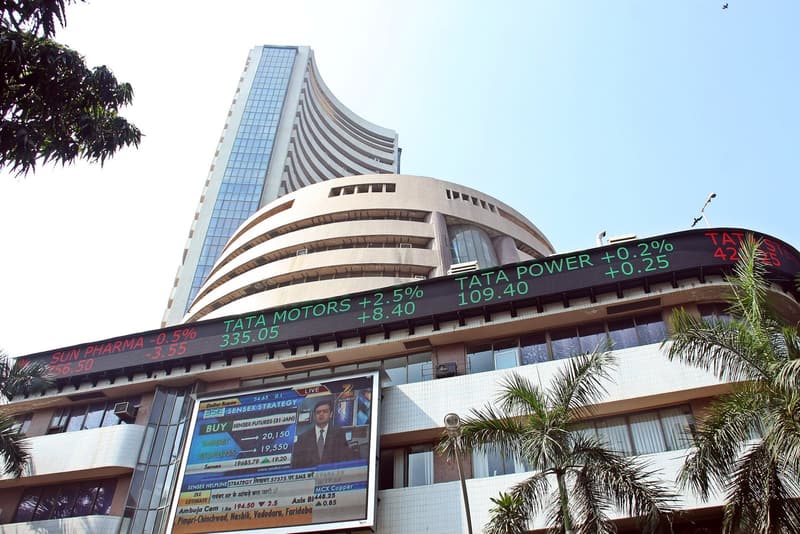
Representative photo · Photo: Ank Kumar / Wikimedia Commons, CC BY-SA 4.0
Recent stock market fluctuations have sparked concerns about how global share price drops impact personal finances, particularly for pension savers.
This is news, not investment advice. NexVani Media is not a SEBI-registered investment adviser and does not recommend buying or selling any security. Do your own research or consult a registered adviser before investing.
Global stock markets have recently experienced a period of volatility as investors sold off shares in major tech firms following the US midterm elections. While this downturn is being attributed by some to anticipated slowdowns in artificial intelligence development, it follows a period of significant growth. Many people often wonder how does it affect me when these complex financial indexes fluctuate, especially if they do not personally invest in the stock market.
For most individuals, the most direct connection to the stock market is through their pension. Millions of workers are enrolled in schemes where their savings are invested by professionals to grow over time. When share prices fall across the board, the value of these pension pots can decrease. While this may be concerning, financial experts emphasize that pension savings are intended as long-term investments. They advise against making impulsive decisions during periods of economic shock, as the market historically requires a long-term strategy to navigate volatility.
Stock market fluctuations can directly impact your pension value, making a long-term investment strategy essential.
Impact on retirement and employment
The timing of market movements is particularly significant for those approaching retirement. As individuals near this stage, their pension funds are often shifted into less risky assets like government bonds, which can perform differently than stocks. However, retirees drawing an income from their pots may find that a market downturn reduces the total value available, potentially impacting their expected retirement income. Planning for these shortfalls is a key consideration for those in or nearing retirement.
Beyond personal savings, extended periods of falling share prices can influence the broader economy, including the job market. When companies face sustained pressure from investors expecting returns, they may look to address financial performance by cutting costs, which can sometimes lead to job reductions. However, corporate decision-making is complex, and many factors beyond stock prices influence employment levels.
Why it matters
Stock market performance serves as a barometer for the economy and has tangible effects on the financial future of millions. Whether through workplace pensions or individual savings accounts, most people have a stake in how these investments perform over time.
Understanding these connections is vital, as market shifts can influence the size of retirement pots and, in some cases, corporate employment strategies. While these numbers may seem distant, they represent the long-term growth of savings that support individuals well beyond their working years.
Sources
More like this

Asian Tech Stocks Plunge Amid US Regulatory Fears and AI Slump

Global Tech Stocks Plunge Amid US Midterm AI Regulatory Fears
SIP in India and international rankings show strong 30-year returns