Hungary to Publish Communist-Era Informant Files to Confront Past
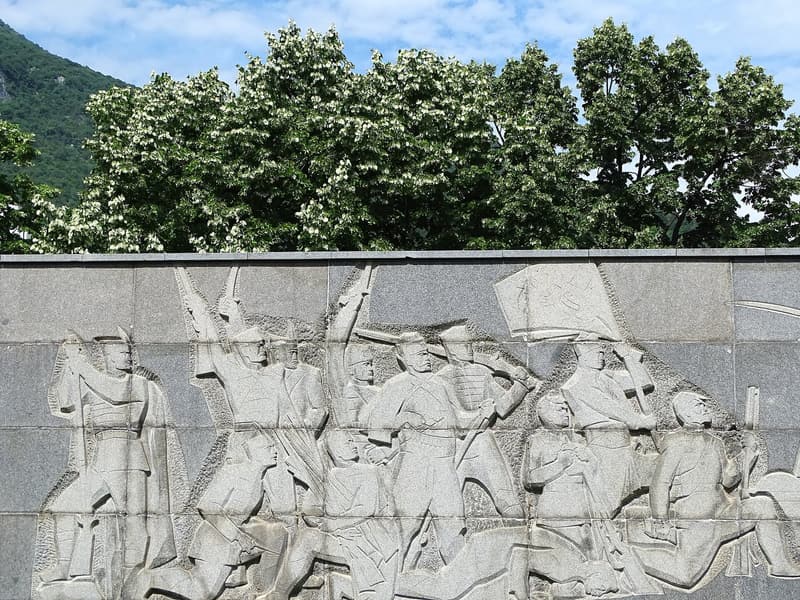
Representative photo · Photo: Adam Jones from Kelowna, BC, Canada / Wikimedia Commons, CC BY-SA 2.0
The Hungarian government is set to release thousands of state-security files from the communist era to foster transparency and address historical trauma.
Hungary is preparing to reveal the identities of tens of thousands of state informants who operated during the communist era, a move intended to confront the nation's past and rebuild public trust. The government plans to make these historical records public, shedding light on a period between 1945 and 1989 when state-security services utilized an extensive network to monitor society and suppress dissent. While some individuals were coerced or blackmailed into reporting on their neighbors, friends, and family members, others were recruited through various incentives. This upcoming release of "traitors hungary" files marks a significant shift in how the country addresses its history.
For decades, these agent files remained largely hidden in the basement of the Historical Archives of the State Security services, accessible only to researchers and victims' families. During his recent election campaign, Péter Magyar pledged to make these documents public, a commitment his government is now fulfilling. Following legislation passed in September, the files are scheduled for release on November 4th, a decision supported by more than two-thirds of the population.
Hungary is making communist-era informant files public to foster transparency and address long-standing historical trauma.
Understanding the Traitors Hungary Legacy
Historians note that the collection, which would stretch for three miles if placed side by side, is smaller than similar archives in Poland or Romania, as many records were destroyed during the 1956 uprising or the 1989 transition. Of the estimated 50,000 to 60,000 people mentioned in the archives, only about 10% are believed to be alive today. Detailed records for approximately 9,000 individuals will be released in February, with sensitive information such as health records and personal details redacted to comply with privacy laws.
The release has prompted complex reactions. While some survivors argue the files should have been opened years ago, others express concern about the potential for public shaming. Historians and families are now bracing for the impact of discovering that relatives may have acted as informants. Despite the potential for pain, many observers believe that confronting these family secrets is a necessary step for a democratic society.
Why it matters
This initiative makes Hungary’s former state-service archives the most transparent in the former eastern bloc. By opening these records, the government aims to close a painful chapter of history, allowing citizens to finally access the truth about state surveillance and the personal betrayals that occurred under communist rule.
Sources
More like this

Most Israelis think settlements policy should change to avoid more sanctions, poll finds
Democratic Congresswoman Haley Stevens Endorses Republican Senate Candidate in Michigan
Indian election consultants expand influence to global campaigns