Climate Change Worsens India Food Crisis As Losses Hit $13 Billion
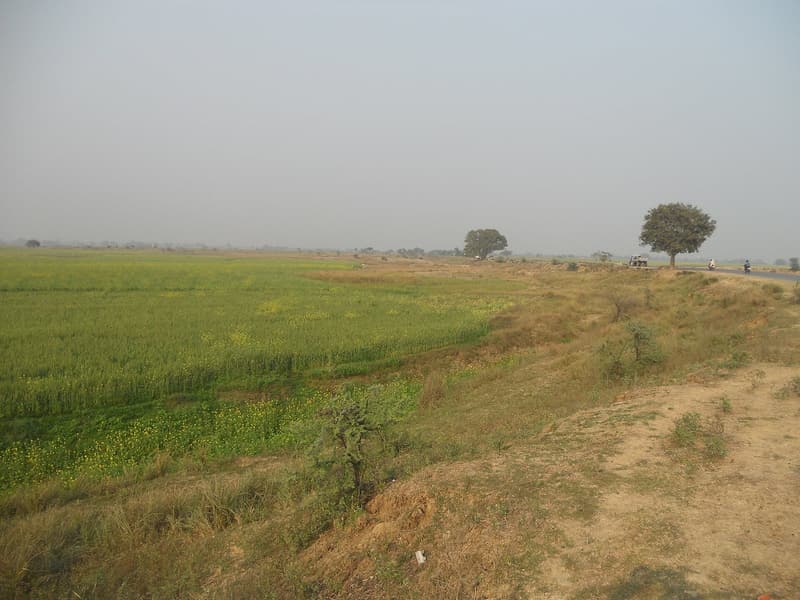
Representative photo · Photo: Ajay Pratap / Wikimedia Commons, CC BY-SA 4.0
India loses an estimated $13 billion annually due to inadequate cold-chain infrastructure, as extreme weather worsens food inflation and agricultural supply strains.
A comprehensive new white paper released by Climate Trends reveals that inadequate cold-chain storage and escalating extreme weather events are severely damaging agricultural supply chains. The report, titled From Risk to Resilience: Climate Change, Ecology and the Future of Indian Agriculture, points out that a staggering amount of perishable food spoils before ever reaching consumers. Experts note that weather extremes across India, a vast nation where questions regarding how many states and districts exist highlight its sheer geographical scale, are heavily compounding post-harvest losses.
According to the findings, insufficient cold-chain facilities mean only four percent of fresh produce is protected, leaving fruits, vegetables, and livestock vulnerable to spoilage. Up to forty percent of fruits and vegetables alongside five to six percent of grains do not reach the market. Dr Palak Balyan, research lead at Climate Trends, emphasized that these issues represent a systemic crisis rather than merely a farming challenge. Furthermore, extreme heat and erratic rainfall are accelerating the deterioration of perishable commodities in storage facilities.
Inadequate cold-chain infrastructure causes India to lose an estimated $13 billion in agricultural produce annually.
Climate Shocks Drive Inflation Pressures
The agricultural disruption extends far beyond farm gates, significantly impacting consumer markets and household budgets. Food inflation is projected to climb to 8.20 percent in October, driven by an uneven monsoon and restricted supplies of essential goods. Onion prices have nearly doubled since early 2026, while milk, meat, and eggs have also recorded price hikes. Heat stress is estimated to diminish national milk production by 1.8 million tonnes, causing economic losses of approximately 2,661 crore rupees and threatening the livelihoods of dairy farmers.
Researchers warn that over twenty million hectares of agricultural land have suffered from extreme weather, with nearly half of all crop-producing acreage facing substantial flood exposure. Aarti Khosla, director of Climate Trends, noted that these ecological shocks directly feed into wider inflationary pressures nationwide. To mitigate these mounting economic and nutritional challenges, the report recommends heavily expanding cold-chain networks, improving early-warning systems, upgrading market access, and promoting climate-resilient farming techniques.
Why it matters
The deepening crisis threatens household budgets and food availability across India, as persistent inflation complicates monetary policy and strains consumer purchasing power. Addressing these systemic agricultural vulnerabilities is crucial to stabilizing market prices and protecting food security for millions of citizens.
Sources
More like this

Famous New Mexico Rock Formation Destroyed After Heavy Rains

Understanding What Paris Agreement Means for Global Climate Targets

A really simple guide to climate change and global warming impacts