Politics
India-US Ties Won't Change After Midterm Results: Shashi Tharoor
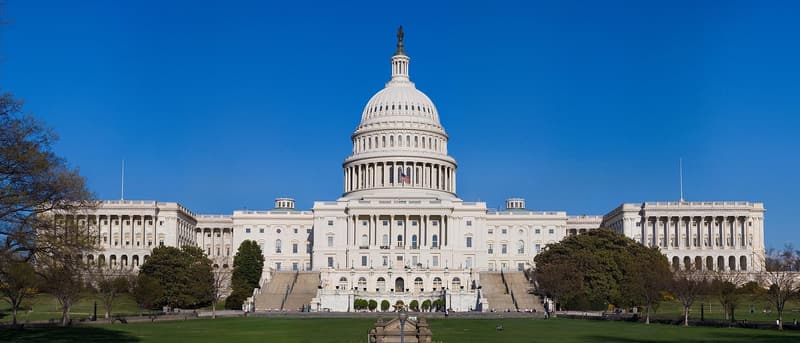
Representative photo · Photo: Bill Strong from Melbourne, Australia / Wikimedia Commons, CC BY-SA 2.0
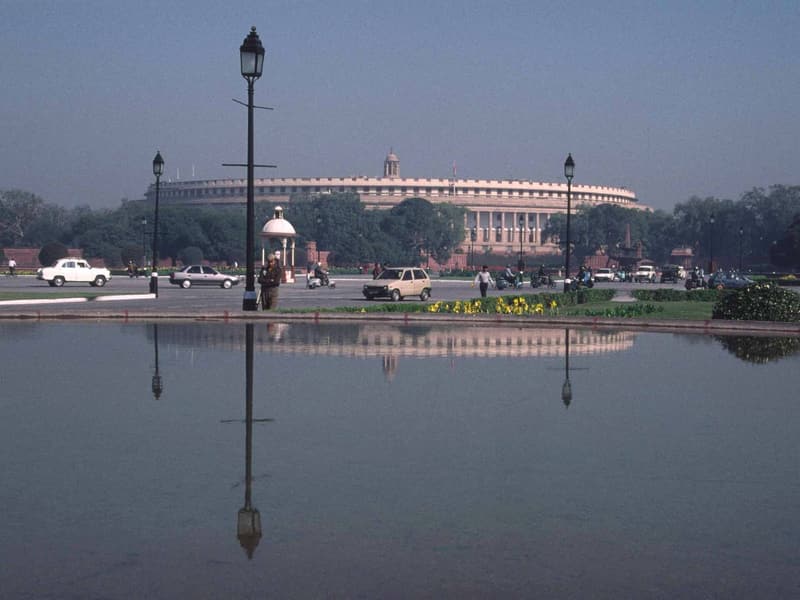
Representative photo · Photo: Bill Strong from Melbourne, Australia / Wikimedia Commons, CC BY-SA 2.0
Senior Congress leader Shashi Tharoor believes the US midterm election results will have no major impact on bilateral relations.
Senior Congress leader and Thiruvananthapuram MP Shashi Tharoor has analyzed the recent US midterm election results, noting the ruling party's defeat across both houses of Congress. While acknowledging significant Democratic gains, including mayoral victories of Indian-origin leaders in Los Angeles and New York, Tharoor cautioned against expecting major shifts in bilateral relations. For those analyzing India US ties following the political changes in Washington, he explained that the US presidency retains immense discretionary authority in foreign policy, trade, and sanctions.
'Those in India who are expecting this to have some impact on our relationship with the US, I think are completely mistaken,' Tharoor remarked during his assessment. He emphasized that the fundamental architecture of diplomatic and strategic engagements between the two nations remains anchored in broader geopolitical interests that transcend domestic congressional shifts.
Shashi Tharoor stresses that US midterm results will not alter bilateral relations between India and the United States.
Addressing domestic political matters, Tharoor also endorsed Rahul Gandhi's call for a parliamentary debate on recent controversies surrounding the Election Commission of India. He condemned administrative decisions under Chief Election Commissioner Gyanesh Kumar regarding Form 6 and Form 7 revisions as unauthorized bureaucratic malfeasance. Furthermore, he welcomed the reversal of the Agneepath recruitment scheme, noting that contractual service undermined military morale and institutional stability.
Tharoor's assessment provides clarity for observers tracking foreign policy and diplomatic continuity between New Delhi and Washington. Understanding that executive authority largely dictates foreign affairs helps policy analysts evaluate international engagements without overinterpreting domestic electoral outcomes.