Iran IRGC Details Underground Weapons Production and Stealth Advances
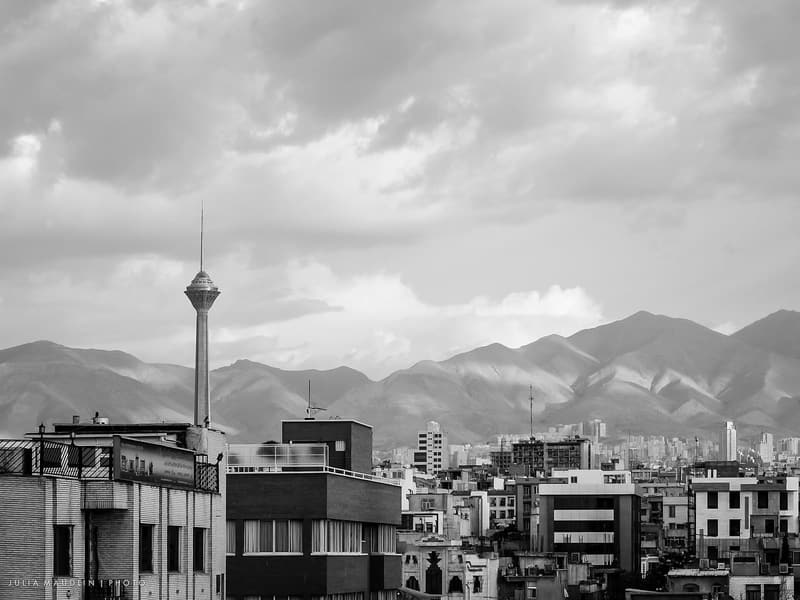
Representative photo · Photo: Julia Maudlin from Lake Oswego, Oregon, / Wikimedia Commons, CC BY 2.0
Iran's Islamic Revolutionary Guards Corps announced it has moved missile and drone production underground to sustain operations during heavy bombardment.
Iran is constructing secure underground military complexes capable of maintaining weapons manufacturing and storage even during severe aerial attacks, according to the Islamic Revolutionary Guards Corps. Speaking at a press conference in Tehran, IRGC spokesperson Hossein Mohebbi outlined various military developments, which included plans to unveil a new underground missile facility. Iranian media reported these remarks as part of an update on the nation's defense capabilities.
Mohebbi stated that the military has swiftly relocated its missile and drone assembly lines from surface-level locations to subterranean structures. This strategic shift is designed to ensure that weapons production can persist uninterrupted, countering the assumption by adversaries that national stockpiles are depleting. The spokesperson also discussed progress in stealth technology, asserting that such advancements enabled Iranian drones and missiles to bypass air defense networks and accurately hit targets during prior conflicts with the United States and Israel.
Underground military complexes allow missile production to continue even under heavy bombardment.
According to official statements, all equipment utilized by the IRGC Aerospace Force is produced domestically through indigenous expertise rather than through the reverse-engineering of captured foreign military hardware. Meanwhile, reports from international media outlets have highlighted the broader impacts of the ongoing conflict, noting substantial financial damage to regional infrastructure and foreign bases. Mohebbi also indicated that limitations on missile ranges have been removed, following comments from Supreme Leader Mojtaba Khamenei regarding potential responses to future attacks.
The broader conflict, which began on February 28, has involved limited strikes by US forces on Qeshm Island and prompted the closure of the Strait of Hormuz, affecting global energy markets. Washington has concurrently implemented additional economic sanctions and a naval blockade, while CENTCOM announced a new task force aimed at disrupting land-based weapons transport routes.
Why it matters
The expansion of underground weapons manufacturing facilities changes the strategic calculus of the ongoing conflict by ensuring that Iran can maintain its missile and drone capabilities despite heavy aerial bombardment. This development affects regional security dynamics and global energy stability, particularly as supply routes face ongoing disruptions, naval blockades, and new international sanctions.
Sources
More like this

Tragic Kraków shooting leaves five dead and more than a dozen injured

Casualties in Poland After Krakow Shooting

Son of Iran's shah receives Freedom Prize in Frankfurt