Lobster industry caught in Maine political headwinds before US midterms
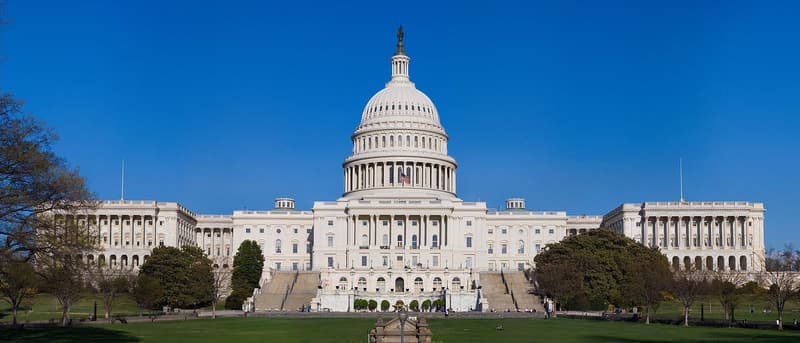
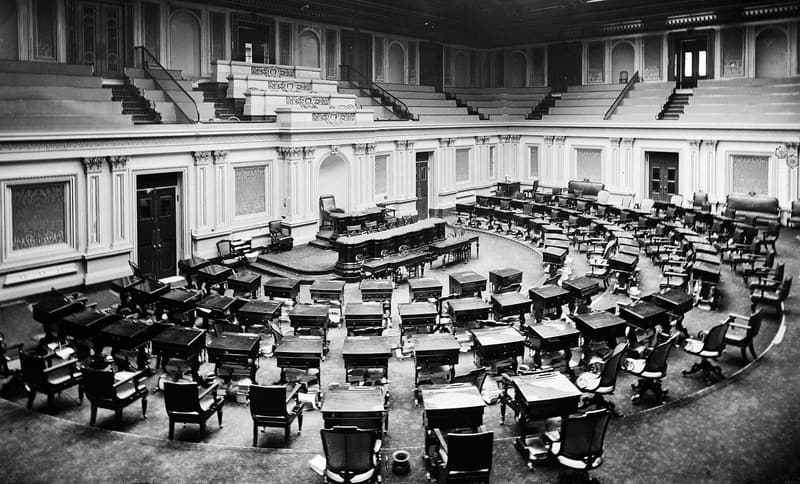
Representative photo · Photo: Brady-Handy Photograph Collection (Libra / Wikimedia Commons, Public domain
Maine's lobster industry faces economic strain from rising operational costs and trade disputes, complicating a tight Senate race.
For decades, local fishermen have harvested the cold waters of the North Atlantic off the coast of the United States, bringing crustaceans ashore to be processed and shipped worldwide. While some operators support administration policies that roll back environmental fishing regulations, many are deeply concerned about an antagonistic approach to trade with Canada. Because a majority of the catch is sent across the northern border for processing, sudden tariff announcements create immediate turmoil for businesses that rely heavily on cross-border logistics.
Operating costs have climbed significantly as diesel prices surged amid international tensions involving Iran, Russia, and Ukraine. In addition to high fuel and bait expenses, levies on foreign steel and aluminium have increased the cost of manufacturing the metal traps required by fishermen. These financial pressures have intensified scrutiny on elected officials during a particularly competitive Senate election cycle in the state.
Election pressure on the lobster maine sector
The political fallout from trade policies has featured prominently in the campaign between incumbent Republican Senator Susan Collins and Democratic challenger Troy Jackson. While Collins has established a record of voicing concerns over trade rhetoric and voting to overturn several levies on Canadian goods, critics argue her legislative efforts have not gone far enough. The race remains exceptionally close, with recent polling data showing narrow margins between the two candidates.
Trade tensions and rising operational costs threaten the competitiveness of the regional seafood economy.
Beyond immediate cost burdens, industry participants warn that prolonged trade friction could weaken long-term market competitiveness. As trade ties between Ottawa and other nations deepen, regional exporters face the risk of losing vital market access, which could ultimately put downward pressure on the prices paid to local fishermen.
Why it matters
This situation illustrates how international trade disputes and shifting political priorities directly impact regional industries and local livelihoods. The outcome of the regional Senate race and ongoing trade negotiations carry significant implications for the seafood economy and supply chain stability.
Sources
More like this

Judge Dismisses Case Against Two Officials Accused of Lying About Hunter
Trump and Vance Make Final Push in Tight Midterm Elections
Trump Iowa Steel Mill Announcement Sparks Skepticism Before Midterms