Climate
Malawi cattle farmers travel farther as El Nino worsens drought
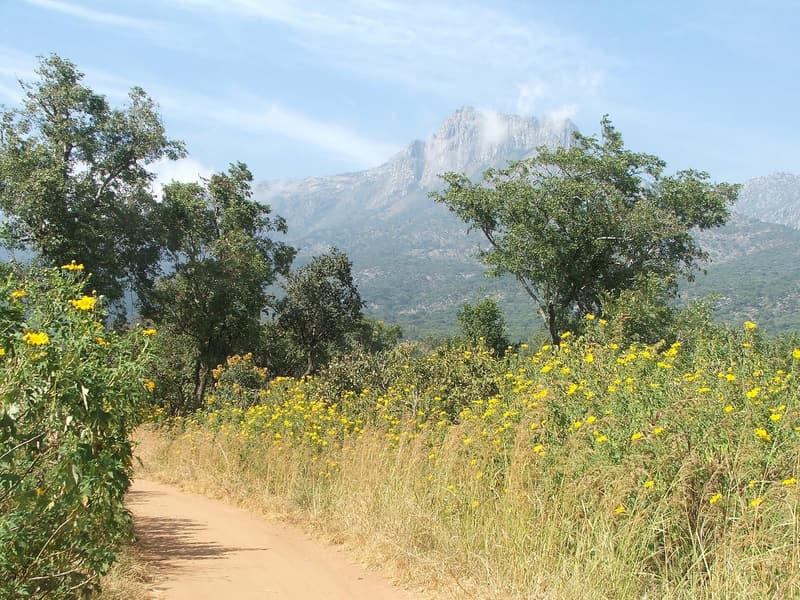
Representative photo · Photo: mikeymckay / Wikimedia Commons, CC BY-SA 2.0
Representative photo · Photo: mikeymckay / Wikimedia Commons, CC BY-SA 2.0
Livestock owners in Mulanje face rising costs and longer journeys to find fodder as severe drought conditions impact southern Malawi.
In the Mulanje district of Malawi, young agricultural workers are walking long distances along riverbanks to harvest vital fodder for farm animals. Lawrence Abison, a twenty-five-year-old resident, spends hours gathering grass and reeds from the Likhubula River area alongside friends to feed cattle on local farms. The intense search for vegetation reflects broader environmental pressures linked to the malawi el nino weather phenomenon, which brought extreme dry spells and elevated temperatures to the region during the 2023 and 2024 rainfall season.
The Likhubula River, originating from the towering Mount Mulanje in southern Malawi, serves as an essential water source for nearby communities. However, residents note significant declines in water volume and vegetation along the banks. Local farmers report that rivers are becoming shallower while banks experience increased erosion and loss of natural grass due to both climate shifts and agricultural activities like vegetable farming near the water.
Prolonged dry conditions and water scarcity are forcing livestock owners to travel greater distances for animal feed.
Gatherers now start their collection trips much earlier in the year than previously required, leading to competition with local residents who rely on reeds for traditional mat making. Macdonald Khandalawo, a local cattle owner and treasurer for the New Thuchira Milk Bulking Group cooperative representing nearly four hundred farmers, explains that diminished grass availability directly impacts milk production and increases overall operational expenses. Additionally, supplementary feed like maize bran remains scarce and expensive due to poor harvests.
For many families, keeping cattle alive is becoming an increasingly costly struggle as environmental pressures disrupt traditional farming routines across the region. The scarcity of adequate vegetation and expensive supplemental feeds directly threatens the livelihoods of smallholder cooperative members who depend on dairy production and local agricultural stability.