A Single Forecast Inflates Power Costs as AI Demand Drives Up Prices
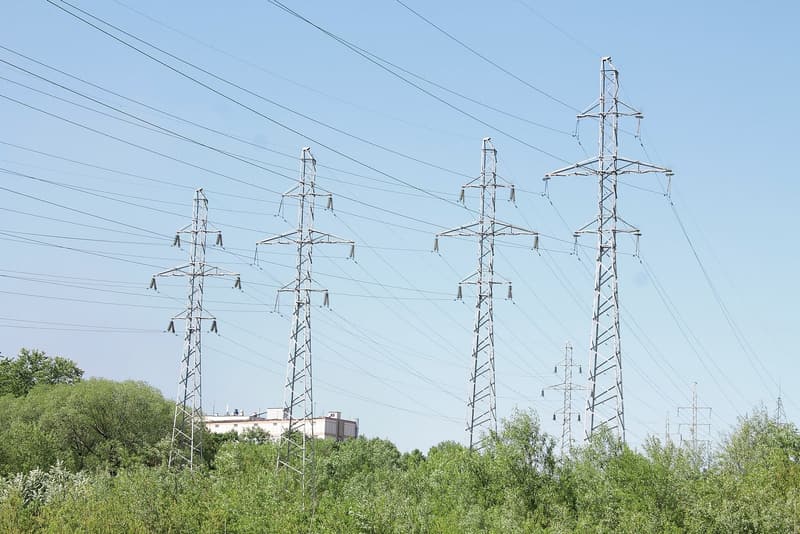
Representative photo · Photo: Foto3821 / Wikimedia Commons, CC0
Recent data from Australia and the United States reveal that heavy demand for artificial intelligence infrastructure is pushing up consumer prices and power auction costs.
This is news, not investment advice. NexVani Media is not a SEBI-registered investment adviser and does not recommend buying or selling any security. Do your own research or consult a registered adviser before investing.
Artificial intelligence infrastructure investments are creating quantifiable economic consequences long before any widespread productivity gains materialize. In Australia, recent figures from the national statistical bureau showed that prices in the category covering computing, audio, and visual equipment jumped 6.1% during the third quarter. This marked the largest increase in a series dating back to 1980, disrupting decades of consumer expectations where technology generally became cheaper while delivering enhanced performance.
The Reserve Bank of Australia attributed the higher costs for certain computers and consumer electronics to rising memory-chip expenses driven by intense demand for AI infrastructure. The central bank raised its cash rate to 4.85%, noting that AI-related investments contributed to price pressures alongside fuel costs and domestic capacity constraints. While the effect on overall consumer spending remains modest, technology has shifted from a corporate presentation promise into a factor influencing monetary policy.
A similar dynamic has unfolded in the United States, where surging demand for electricity from data centers has significantly impacted the grid. An independent market monitor for the PJM grid operator calculated that capacity prices for the 2028-2029 delivery year reached $16.4 billion. When analysts ran a single forecast scenario removing the projected growth in demand from new and expanding data centers, the total dropped by $5.7 billion down to $10.7 billion. This analysis demonstrates how expectations regarding future data-center electricity consumption can drastically alter the cost of maintaining available power supplies.
AI infrastructure demand is driving up costs for power capacity and electronics before widespread productivity gains appear.
Other central banks are closely monitoring these pressures. The Bank of England observed that global competition for components creates cost risks, though energy shocks remain the primary driver of its monetary decisions. Meanwhile, the San Francisco Fed noted that information-processing equipment prices rose over the past year, though their overall impact on headline inflation remains limited compared to broader economic factors.
Why it matters
These developments show that the financial footprint of artificial intelligence extends far beyond the technology sector, impacting everyday consumers who do not purchase AI services. As manufacturing capacity and power supplies face intense competition, households experience higher prices for consumer electronics and electricity grid capacity while institutions debate who should bear the financial responsibility.
Sources
More like this

Bitcoin Developer Proposes Quantum Landmines to Stop Wallet Theft

Binance France Emails Announce Account Closures and Asset Fees

Gold still a good investment as global demand hits $188 billion in Q3