Gold still a good investment as global demand hits $188 billion in Q3
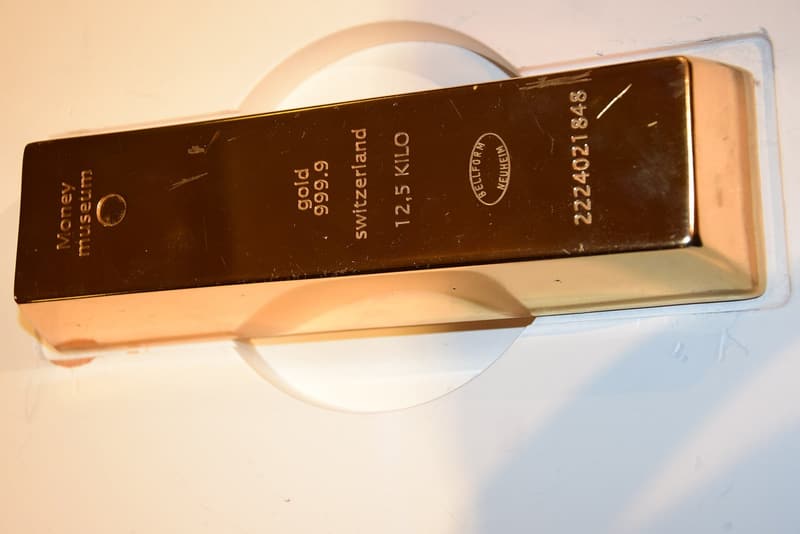
Representative photo · Photo: Ank Kumar / Wikimedia Commons, CC BY-SA 4.0
Global gold demand reached $188 billion in the third quarter of 2026 as central bank purchases offset a significant drop in jewelry and physical investment.
This is news, not investment advice. NexVani Media is not a SEBI-registered investment adviser and does not recommend buying or selling any security. Do your own research or consult a registered adviser before investing.
Global gold demand reached $188 billion in the third quarter of 2026, marking a 22% increase from the same period a year earlier. Despite this monetary milestone, gold is still a good investment for many institutional buyers even as overall metal consumption decreased by 1% to 1,369 tons. The higher spending largely reflected rising prices rather than an increase in the volume of metal acquired by buyers worldwide.
Central banks and official institutions acquired an estimated net 321 metric tons during the third quarter, surpassing jewelry consumption, which dropped to 313 tons. In the same period a year earlier, jewelry buyers had consumed about 150 tons more than central banks acquired. This shift highlights how official reserves and listed funds absorbed more metal while traditional consumer markets pulled back due to high costs.
Central banks drive demand
Official sector purchases rose 42% in the third quarter compared to the previous year, with central banks acquiring an estimated 675 tons in the first nine months of 2026. However, public disclosures account for only about 120 tons of the third-quarter net purchases, leaving roughly 201 tons unassigned in official country data. China and Poland were the largest reported buyers, disclosing additions of 63 tons and 40 tons respectively. Meanwhile, gold-backed exchange-traded funds added 211 tons, reversing earlier withdrawals and providing further support to the market.
Central banks bought more gold than consumers worldwide bought for jewelry in the third quarter.
Consumer markets faced notable contractions as high prices impacted affordability. Jewelry consumption fell 17% to 313 tons, marking the weakest third-quarter record since 2000, with buyers in China and India cutting purchases or opting for lighter, lower-carat items. Physical investment in bars and coins similarly declined 19% to 268 tons as paying more per ounce deterred some retail buyers. Performance-wise, gold gained 3.84% during the quarter while Bitcoin gained 42.7%, though both experienced declines in October.
Why it matters
The third-quarter trends reflect a broader shift where gold is increasingly held as a financial asset by institutions rather than retail consumers. With central bank surveys indicating a desire among reserve managers to reduce dependence on the United States dollar, official bullion accumulation continues to reshape global financial reserves, affecting markets and buyers worldwide including those in major consuming nations like India and China.
Sources
More like this

Binance CFO Kaiser Ng Steps Down as Justin Yek Takes Over

Thailand to Block Bitget by December 5 Following Unlicensed Operation Claims

Zcash Security Fund Relies Heavily on Inherited Value After NU7