Are there Democrats ready to lead after the midterms?
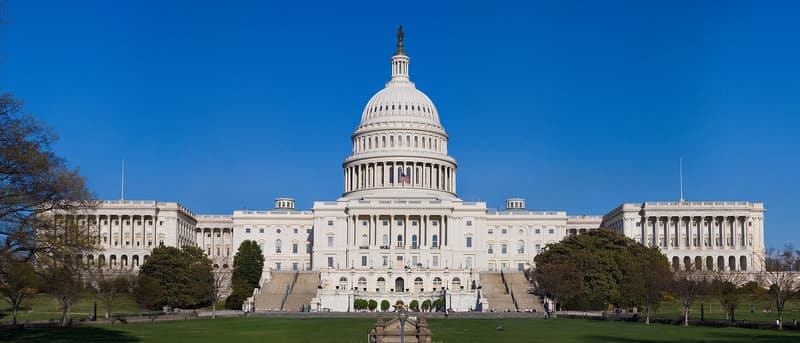
Representative photo · Photo: Noclip / Wikimedia Commons, Public domain
Recent midterm results show Democrats embracing economic populism, sparking hope that the party might finally deliver for working-class voters.
In the aftermath of recent United States midterm elections, commentators have noted that the blue wave signalled a rejection of Donald Trump rather than newfound affection for the Democratic Party. Critics warn that unless the party delivers real change, it will face the same anti-incumbent anger in future election cycles. For years, the party's old guard embraced neoliberalism, creating conditions that enabled Trump's rise and hampering their own opposition. However, this election cycle was different because many Democratic candidates finally started sucking less by championing working-class economic issues.
While the Republican electoral insurgency had an eight-year head start thanks to the Tea Party movement following the 2008 financial crisis, the left's grassroots infrastructure took longer to build. Occupy Wall Street shifted national conversations about inequality, and Bernie Sanders's 2016 campaign brought those messages into electoral politics. Over the subsequent decade, independent progressive groups developed the capacity to recruit and support working-class champions, breaking the party establishment's monopoly on candidate selection. By the 2026 midterms, economic populism had broken into the mainstream.
Trump's second term shattered median Democratic voters' faith in establishment leadership and exposed the bankruptcy of consultant-driven strategies targeting affluent suburban swing voters. Amid this leadership vacuum, figures like New York City Mayor Zohran Mamdani successfully centred their campaigns on affordability. Bernie Sanders and Alexandria Ocasio-Cortez energised the base with their tours, while a new crop of candidates ran on platforms addressing Medicare for All, affordable housing, childcare, and reigning in artificial intelligence.
Economic populism has finally broken into the mainstream of the Democratic Party.
Sociologist Max Weber noted that political classes operate with relative autonomy, constrained by the elite cultural milieu in which consultants are embedded. It took a full decade after Trump's initial victory for economic populism to penetrate this elite bubble and reach a critical mass of politicians who understand working-class precarity. While party leaders like Chuck Schumer and Hakeem Jeffries remain unpopular, rank-and-file movements have allowed candidates to land a compelling narrative.
Why it matters
With a decisive rejection of Trumpism, US voters have given Democrats one more chance, and the party risks severe backlash if it fails to deliver. This shift toward an economic populist agenda and a commitment to America's working class indicates that the party may finally be finding its popular voice.
Sources
More like this
Chancellor Merz to Nominate Aigner as Germany’s First Woman President

President Milei Welcomes Pope Leo During Historic Argentina Trip
Native American Women Make Historic Gains in US Midterm Elections