Native American Women Make Historic Gains in US Midterm Elections
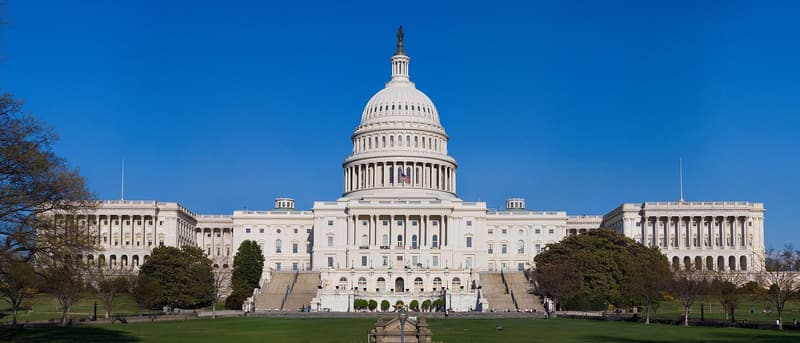
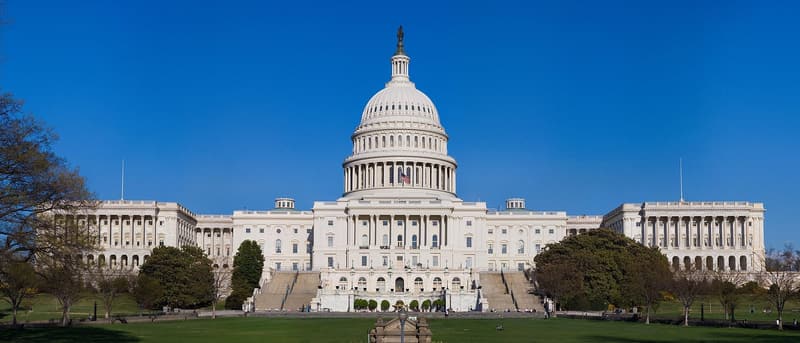
Representative photo · Photo: Noclip / Wikimedia Commons, Public domain
Voters elected at least 75 Native women, non-binary, and Two Spirit candidates in the US midterms, marking a seismic shift in political representation.
The United States midterm elections featured a series of historic breakthroughs, highlighted by significant political gains for Native American women. Across the country, voters elected at least 75 Native women, non-binary, and Two Spirit candidates during the November elections, according to data from Advance Native Political Leadership and the news site ICT. This milestone represents a seismic activity in political representation as Indigenous candidates secure positions from local governments to the federal level.
Among the prominent victories, Deb Haaland will lead the state of New Mexico, while Peggy Flanagan was elected to represent her state in the US Senate, becoming the first Native woman to join the chamber in its history. In tribal governments, Crystalyne Curley became the first woman to lead the Navajo Nation, and Tina Abrams was elected to lead the Seneca Nation of Indians in western New York. Additionally, a record-setting 363 Indigenous candidates ran for office nationwide, with at least 180 securing wins.
A historic wave of at least 75 Native women and non-binary candidates won election victories across the US.
Despite these recent advances, the path to political power has been extensive. Native Americans across the entire United States were only granted the right to vote in the 1960s, and Wilma Mankiller became the first woman elected as principal chief of the Cherokee Nation in 1985. In 2018, Deb Haaland and Sharice Davids became the first women elected to Congress, paving the way for future generations. State and local changes have also supported this growth, including New Mexico implementing an updated Native American Voting Rights Act in 2023 to provide tribes with greater input on polling locations and redistricting.
Why it matters
This election cycle demonstrates a growing political voice for Indigenous communities across the United States. The election of Native women to key gubernatorial, congressional, and tribal leadership roles alters the historical landscape of governance and inspires future generations to participate in public service.
Sources
More like this
Hakeem Jeffries Supports Impeachment Resolution Against Pete Hegseth
Where does the Republican Party stand after midterm losses?

Labour Expected to Cut EV Targets for UK Car Industry