US Midterm Elections Results and the Future of the Iran Conflict
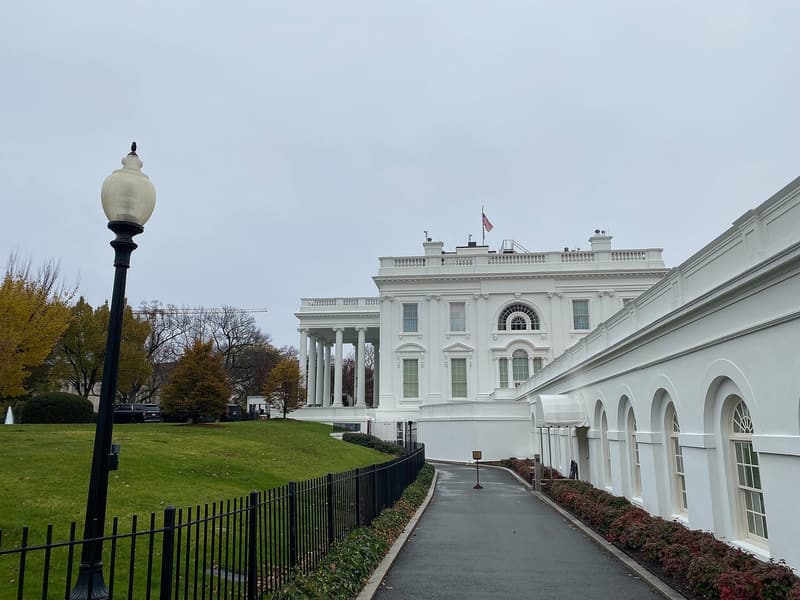
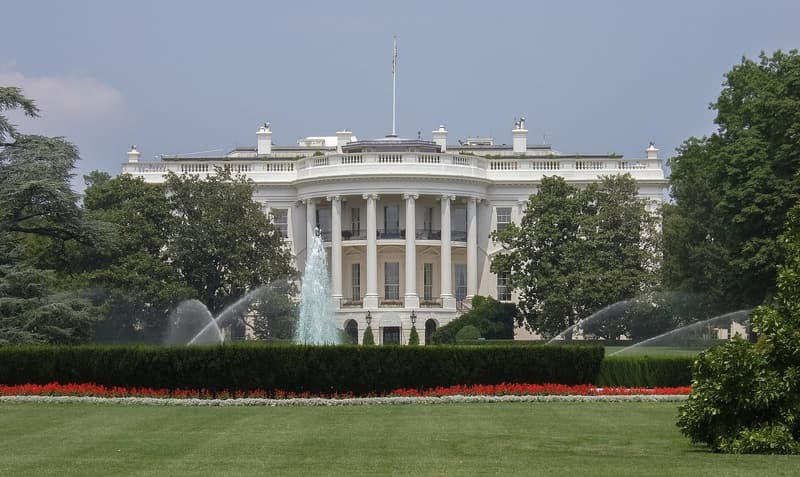
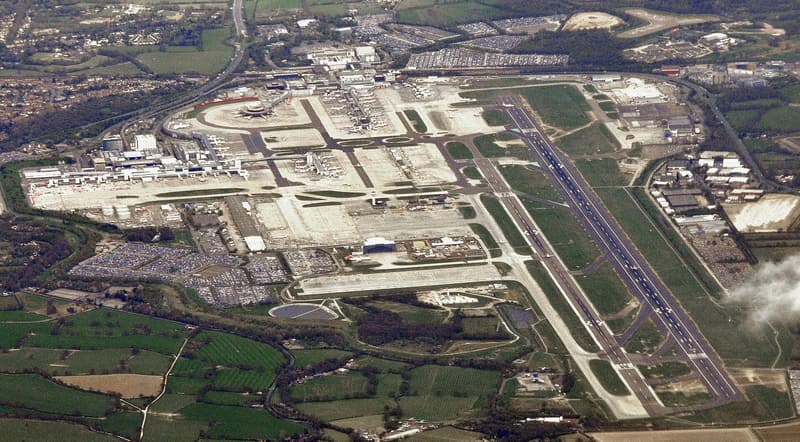
Representative photo · Photo: Diego Delso / Wikimedia Commons, CC BY-SA 3.0
Following the US midterm elections results, Gulf states face uncertainty as they navigate the potential for renewed military escalation between the United States and Iran.
The recent US midterm elections results have shifted the political landscape, leaving Gulf nations to weigh the risks of further conflict. President Donald Trump acknowledged that the war with Iran likely influenced his party's performance, though he maintained that the strategic importance of his actions remains clear. As the administration navigates the aftermath, concerns persist regarding whether the President might intensify foreign interventions as a "lame duck" leader, a strategy observed in previous presidencies.
The regional security dilemma
While the White House has previously signaled the potential for a short, intense military campaign, President Trump has also stated he is in no rush to initiate further bombing. Conversely, Iranian leadership has indicated a readiness to expand potential targets, including regional energy infrastructure and data centers. Experts like Ross Harrison from the Middle East Institute suggest that if Iran perceives an existential threat, the scope of its response could shift significantly, potentially impacting Gulf states directly.
Gulf states are seeking strategic autonomy as they navigate the volatile US-Iran military standoff.
Regional leaders are actively pursuing diplomatic off-ramps to avoid being caught in the crossfire. UAE foreign policy adviser Anwar Gargash emphasized at the Manama Dialogue that the region is working hard to avert a crisis. Meanwhile, countries like Qatar, Saudi Arabia, and Egypt are taking precautionary measures, including emergency drills and strengthened air defenses. Despite these efforts, analysts note that the conflict has strained traditional defense partnerships, with many in the region questioning the reliability of US security guarantees.
Why it matters
The ongoing tension is forcing a fundamental reassessment of regional security. Many Gulf states are now moving toward self-reliance and exploring new defense pacts, signaling a potential decline in US influence that began in 1991. While some experts suggest that long-term stability may eventually require a direct understanding between Gulf nations and Tehran, the immediate concern remains the risk of escalation that could derail diplomatic progress.
Sources
More like this
Saudi Coalition Intercepts Ballistic Missile Fired Towards Medina Region
US Accuses Mexican Judge of $2m Bribe to Free Suspect Linked to Ryan Wedding
European Airlines Face Coordinated Wave of Hoax Bomb Threats