Why are oil traders refusing to buy Russian diesel after the Trump-Putin deal?
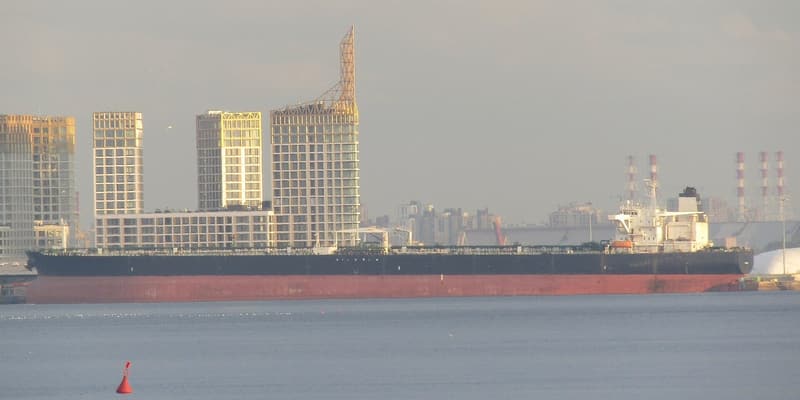
Representative photo · Photo: Germash19 / Wikimedia Commons, CC BY-SA 4.0
Tankers carrying Russian diesel have changed course as buyers fear legal action, raising questions about a recent oil deal between Donald Trump and Vladimir Putin.
Oil traders are steering clear of Russian diesel imports, casting uncertainty over a high-profile agreement brokered between US President Donald Trump and his Russian counterpart, Vladimir Putin. Weeks after the announcement that Moscow would release substantial diesel stocks to global and US markets despite existing sanctions, zero barrels have actually arrived in the United States. Retail prices for the fuel have nearly doubled since the start of the US-Israel war on Iran, yet the initial shipments have been diverted.
Data from marine analytics firm Kpler and vessel-tracking service MarineTraffic show that at least three tankers loaded at the Baltic port of Primorsk have altered their routes. The Russian vessel Talisman and the Sierra Leone-flagged Leruo both set out with declared destinations on the US East Coast, but one has shifted toward Brazil while the other entered the Mediterranean. A third tanker in the North Atlantic changed its destination from New York to open orders, and a sanctioned Seychelles-owned ship named Beast has also headed toward the Atlantic.
The arrangement followed an October phone call between Trump and Putin. The US leader announced that Russia would immediately provide more than 300,000 tonnes of diesel, with further shipments to follow. The brokered understanding permits Russian diesel sales, deliveries, and imports until April 7. The decision marked a sharp reversal of Washington policy established after Russia's full-scale invasion of Ukraine in February 2022, following accusations that Ukrainian strikes on energy infrastructure caused shortages.
Despite a temporary sanctions exemption issued by the US Department of the Treasury's Office of Foreign Assets Control, congressional opposition remains fierce. A bipartisan group of lawmakers passed a new sanctions package in September, and political leaders have actively discouraged ports and distributors from accepting the fuel. New Jersey Governor Mikie Sherrill instructed local operators to reject ships carrying Russian diesel and warned of severe penalties for any profits derived from the trade. Lawmakers have cautioned banks and port authorities that handling the shipments could result in criminal or civil liability.
Zero Russian diesel has reached the US as tankers divert and buyers fear legal action.
Analysts note that even if the shipments successfully arrive, the volumes are insufficient to significantly ease domestic supply pressures. Aarathi Krishnan of Raksha Intelligence pointed out that the first announced shipment equals roughly two hours of total US distillate consumption. Furthermore, the lack of written agreements, undisclosed pricing terms, and uncertainty regarding participating companies have left commercial buyers wary of potential legal repercussions.
Why it matters
This standoff highlights the severe friction between executive trade actions and legislative sanctions, leaving global energy markets in a state of high unpredictability. For fuel distributors, port authorities, and financial institutions, the threat of civil or criminal liability creates an environment where commercial compliance overrides political announcements. As tankers divert away from American shores, consumers facing elevated retail prices are left without immediate relief from foreign reserves.
Sources
More like this

Two Men Arrested After Gloucester Sword Attack Near School

Dozens Killed as Conflict Escalates in Yemen's Civil War

Sudan War and Climate Crisis Drive Severe Child Malnutrition