Zero-Click Exploits Linked to $4 Million in TRON Wallet Thefts
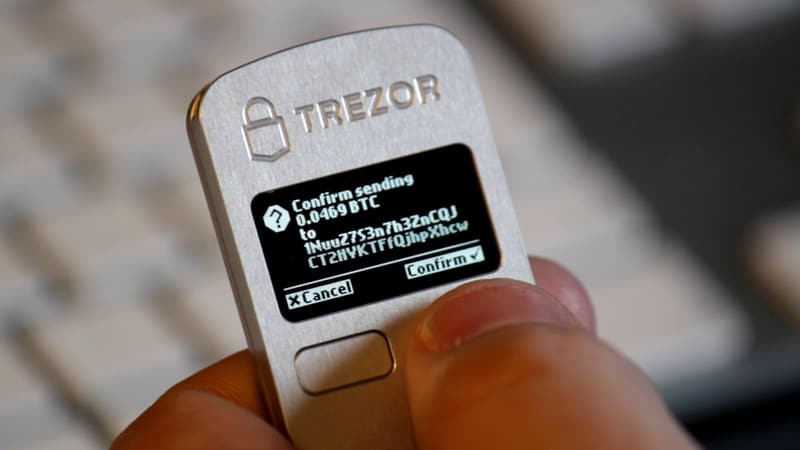
Representative photo · Photo: The original uploader was Ladislav Mecir / Wikimedia Commons, CC BY-SA 3.0
Blockchain investigations trace millions in USDT thefts to hundreds of TRON addresses amid rising concerns over device security and zero-click exploits.
This is news, not investment advice. NexVani Media is not a SEBI-registered investment adviser and does not recommend buying or selling any security. Do your own research or consult a registered adviser before investing.
Blockchain analysis has uncovered a massive network of TRON addresses linked to millions of dollars in digital asset thefts, drawing new attention to device vulnerabilities such as zero-click exploits. Recent investigative findings from Bitquery reveal that at least $4 million in USDT has been siphoned off through a sprawling infrastructure involving 365 distinct TRON addresses.
The investigation, which spans from Oct. 5 through Nov. 4, indicates that the identified network includes 89 addresses that exclusively lost TRX tokens. Bitquery successfully connected 43 collector wallets by analyzing funding flows directed toward a common wallet responsible for covering transaction fees. While these financial connections clearly establish a network, researchers noted that common control by a single operator has not been definitively proven.
Specific instances highlighted in the data show significant single transactions. For example, a TRONSCAN transaction record from Oct. 25 details the movement of over 519,000 USDT into a collector address designated as TEDjN. To compile the overall loss figures, analysts specifically counted transactions that completely emptied an address's USDT balance while deliberately excluding swap payouts, internal network transfers, and unclassified senders.
Understanding Zero-Click Exploits and Device Risks
Security organizations have concurrently logged multiple separate iOS wallet-compromise incidents. The Security Alliance reported six distinct iOS wallet breaches resulting in roughly $127,000 in losses between Oct. 28 and Nov. 3, affecting various Trust Wallets and one Uniswap Wallet. Device-security research has previously documented broader ecosystem threats, pointing to spyware variants like P7 DarkSword that possess wallet-data collection and crypto theft capabilities.
Zero-click exploits and malicious campaigns continue to target digital wallets, draining millions in cryptocurrency.
Investigations by iVerify and Report URI on Oct. 21 highlighted how malicious advertising and expired analytics tags could deliver the Coruna and DarkSword exploit kits to vulnerable Apple devices. Previously published research from the Google Threat Intelligence Group outlined active exploitation by multiple actors, prompting recommendations to update mobile operating systems or enable Lockdown Mode when updates are unavailable. Trust Wallet reinforced these protective measures in a November advisory, advising users to install the latest software updates and keep recovery phrases away from screenshots and notes.
Why it matters
The convergence of on-chain asset thefts and sophisticated mobile device vulnerabilities highlights growing risks for digital asset holders across global networks. As malicious actors leverage automated delivery mechanisms and exploit kits, individual security hygiene and prompt software updates remain critical defenses.
Understanding these threats helps network participants recognize the importance of device integrity alongside wallet security practices. Stakeholders across the digital ecosystem continue to monitor how infrastructure vulnerabilities intersect with blockchain transactions.
Sources
More like this

Millions Followed Kalshi Election Odds Without Placing Bets

Reform UK Councillor Linked to Collapsed Crypto Scheme

Nvidia Faces Tougher Post-Election Washington