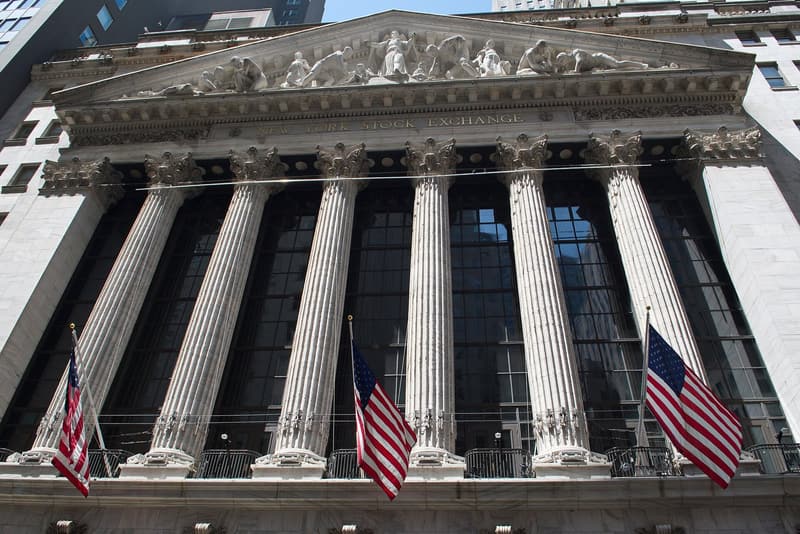
Moscow Exchange Plans December Launch for Crypto Trading
Illustration: NexVani Media
The Moscow Exchange targets a December pilot rollout for Bitcoin, Ethereum, and USDT trading following the central bank's final asset guidelines.
This is news, not investment advice. NexVani Media is not a SEBI-registered investment adviser and does not recommend buying or selling any security. Do your own research or consult a registered adviser before investing.
The Bank of Russia has officially released its final list of assets that individuals without qualified status are permitted to purchase, allowing public trading options for digital currencies starting November 17. Following this regulatory update, the moscow exchange announced its intention to launch digital currency transactions beginning December 1. The initial available instruments on the trading platform will include Bitcoin, Ethereum, and USDT, utilizing the infrastructure of the stock market technology and clearing through the National Clearing Centre.
The central bank's guidelines outline that non-qualified investors can access these assets via brokers, asset managers, crypto exchangers, or over-the-counter channels. However, these retail purchases face an annual ceiling of 300,000 rubles per intermediary. This calculation encompasses both completed acquisitions and active orders under evaluation within the calendar year. Additionally, all investors, regardless of their qualified status, must complete a mandatory testing process and review risk disclosures before executing any crypto transactions.
Understanding the Moscow Exchange Crypto Initiative
Qualified investors will retain unrestricted access to the full spectrum of digital assets, bypassing the non-qualified asset lists and volume caps, though they remain subject to the testing requirement. The central bank selected the permitted liquid assets based on specific market criteria, including overall capitalization, average daily trading volume, and a minimum of five years of foreign-market pricing history. Meanwhile, the venue rollout and asset eligibility operate on distinct timelines, with the legal framework becoming effective on November 17 ahead of the planned December pilot rollout.
Non-qualified investors face an annual transaction cap alongside mandatory testing for digital currency purchases.
Why it matters
This regulatory decision establishes a structured framework for public digital currency access within the market, distinguishing between retail participants and qualified investors. The implementation introduces strict annual spending limits and mandatory risk testing for everyday traders while setting up the technical rollout for the exchange's upcoming trading pilot.
Sources
More like this

Zero-Click Exploits Linked to $4 Million in TRON Wallet Thefts
Samsung Teams With Stripe to Bring USDC Stablecoin to Galaxy Phones

Bitcoin Faces Risk as Investors Realize Losses and US Jobs Data Shocks Markets