Democrats Win Congress but Face Hurdles in Addressing Food and Cost of Living Pressures
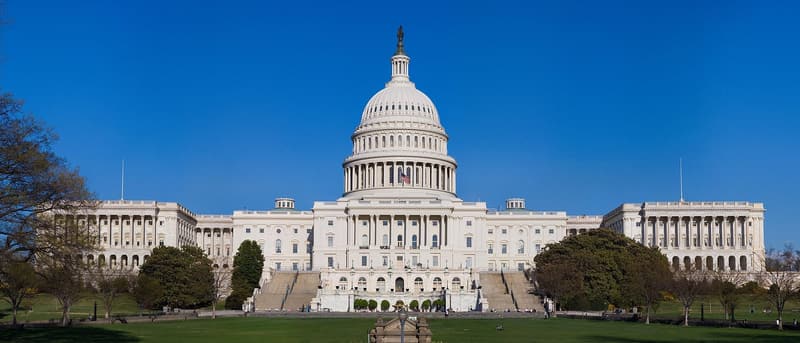
Representative photo · Photo: Noclip / Wikimedia Commons, Public domain
Following a significant electoral victory, Democrats aim to tackle rising living costs, but President Donald Trump retains the power to veto their legislative agenda.
As Democrats prepare to take control of Congress, they face intense pressure to address the economic concerns of Americans, including the rising cost of food and other essentials. While the party campaigned heavily on the promise of improving affordability, they now must navigate a political landscape where President Donald Trump holds the power to block their initiatives. For many citizens, the primary concern is not macroeconomic statistics, but the immediate impact of high grocery, electricity, and fuel bills on their daily lives.
Addressing the food and cost of living crisis
Business owners across the country are feeling the strain. In Texas, hotel and spa owner Kim Hanks reports that rising grocery and fuel costs have forced her to increase wages for her staff to maintain affordability. Meanwhile, in Indiana, retailer Danny Reynolds is calling for consistency and cooperation from Washington. House Democratic leader Hakeem Jeffries has stated that the party's mandate is to govern on the affordability issues that helped them win their recent legislative majorities.
Democrats have outlined a broad agenda under the banner of "Fighting for an Affordable America." Their priorities include expanding health insurance subsidies, reversing Medicaid cuts, and eliminating import tariffs that they argue inflate the prices of groceries and building materials. They also intend to focus on energy policy to address rising petrol costs and propose building four million new homes over the next decade. Additionally, the party plans to seek tax reforms that would increase levies on billionaires while providing more tax credits to families with children.
Democrats hold a congressional majority but face a potential legislative deadlock due to presidential veto power.
However, the path to implementation is fraught with difficulty. Investor Ken Fisher notes that Congress is unlikely to pass legislation that faces a presidential veto, suggesting a period of relative legislative quiet. Because the Democrats lack a two-thirds majority in both the House and Senate, they cannot override a veto from President Trump. This reality suggests that significant changes to key policies, such as trade tariffs, will require bipartisan cooperation that may be difficult to achieve given the central role these policies play in the President's agenda.
Why it matters
The election results represent a significant shift, with at least seven Republican-held Senate seats changing hands. Despite this, the political divide between the legislative and executive branches means that voters hoping for immediate relief from high bills may face a period of gridlock. The outcome highlights the ongoing struggle to balance competing economic visions in a country where few are satisfied with the current direction.
Sources
More like this

Germany Merz News: Chancellor Expects Trump to Bypass Congress Despite Midterm Results
Democrats to Challenge Trump Foreign Policy After Democratic Controlled Congress Win

Ministers target ministers and e-bikes over blocked pavements