New Zealand braces for a knife-edge election: What you need to know
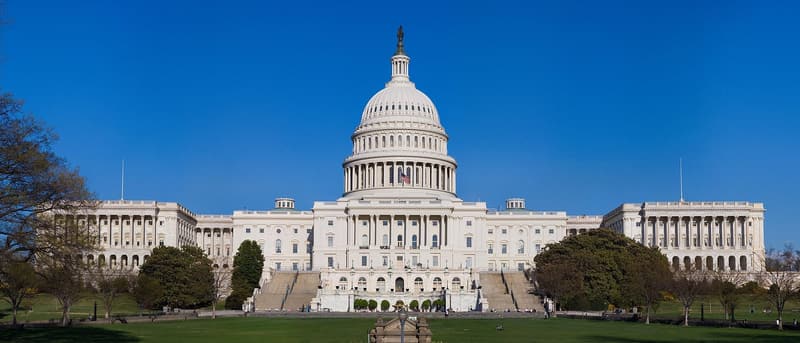
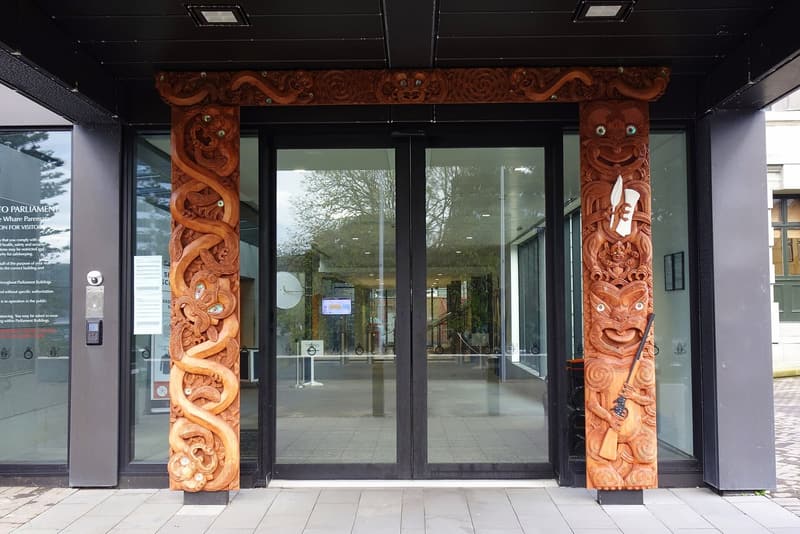
Representative photo · Photo: Daderot / Wikimedia Commons, CC0
New Zealand's upcoming election sees the National and Labour parties in a tight race, with smaller parties expected to determine the final coalition government.
As voters prepare for the upcoming general election, many are asking about New Zealand, what country it is, and how its unique political system functions. The nation heads to the polls on November 7 with the governing centre-right National Party and the opposition centre-left Labour Party locked in a neck-and-neck race. Under the country’s mixed-member proportional (MMP) system, neither major party is currently projected to secure enough seats to govern alone.
New Zealand holds general elections every three years. Voters cast two ballots: one for a local electorate candidate and one for a political party. While the 71 electorate winners take their seats automatically, the party vote determines the overall share of the 120-seat parliament. If a party does not reach the 5 percent threshold, it can still secure a seat by winning an individual electorate. Because parliamentary seats strictly track the party vote, single-party majorities are rare. Since 1996, every government has been a coalition, with the exception of Labour's solo administration in 2020.
Smaller parties hold the key to power as major contenders face a potential parliamentary deadlock.
Incumbent Prime Minister Christopher Luxon, leader of the National Party, is seeking a second term. Despite leading a three-party coalition with New Zealand First and ACT, his leadership has faced internal challenges, including two no-confidence votes earlier this year. His opponent, Labour leader Chris Hipkins, is campaigning to return to the top job after his party lost power in the 2023 election.
Diverse Campaign Platforms
The competing parties offer vastly different economic and social visions. National is pushing for fiscal discipline and a return to budget surplus while maintaining the national pension. Labour is prioritizing the cost of living, promising improvements to healthcare, transport, and public infrastructure. Meanwhile, smaller parties are targeting specific sectors; the Greens and New Zealand First have both proposed interventions in the electricity and supermarket industries to address pricing concerns. Debates over immigration and voting rights have also emerged, with ACT proposing stricter deportation policies and New Zealand First advocating for restricting voting rights to citizens.
Why it matters
The election results will determine the direction of New Zealand's economic and social policy for the next three years. Because the major parties are so evenly matched, the final government will likely be a coalition, giving smaller parties significant leverage in negotiations.
This outcome affects all New Zealand residents, including those impacted by potential changes to immigration and voting eligibility. For international observers, the shift in governance reflects broader global trends in managing economic pressure and political polarization.
Sources
More like this

High Court to Hear Pauline Hanson Appeal in Racial Discrimination Case

Republican and Democrat Election Results Spark Debate Over Future Strategy
UK Faces Strategic Vulnerability Due to Heavy Reliance on China for Critical Minerals