Hundreds of Seagrass Shoots Discovered in Fowey Estuary
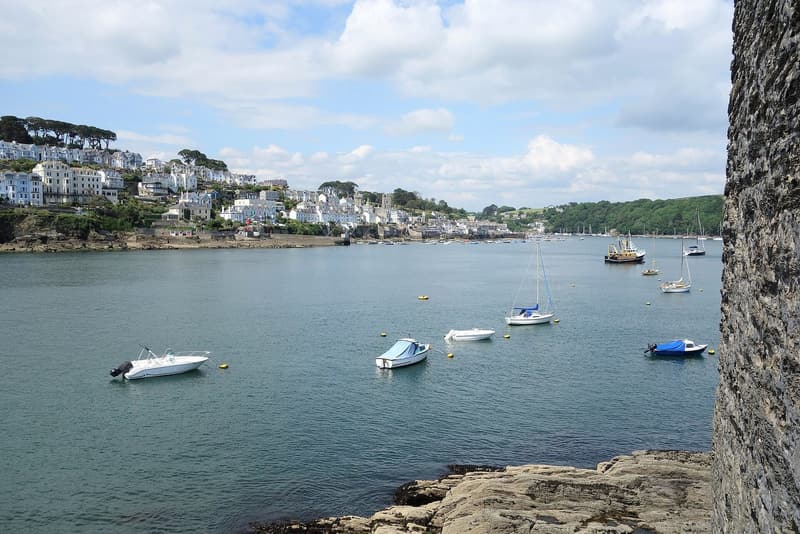
Representative photo · Photo: Peter Jeffery / Wikimedia Commons, CC BY-SA 2.0
Conservationists have discovered hundreds of seagrass shoots in the Fowey Estuary, offering fresh hope for marine habitat restoration in Cornwall.
Conservation workers in Cornwall have recorded hundreds of new seagrass shoots across the Fowey Estuary, marking a major turning point for local marine restoration efforts. Surveys conducted by the Cornwall Wildlife Trust during the summer months identified new growth spanning fifty distinct patches of the seabed.
The discovery comes after an uncertain beginning to the year for the project. By the end of April, only six seedlings had managed to emerge, leading to concerns that the restoration trial might ultimately fail. Chloe James of the Cornwall Wildlife Trust described the newly recorded growth as hugely encouraging following those early setbacks.
Over four hundred seagrass shoots give new hope for vital marine habitat restoration.
Volunteers had previously gathered seeds from a donor meadow in Torpoint during the autumn of 2025 before planting them directly into the estuary. The seeds remained buried throughout the winter months before finally showing visible growth in the spring. Project leaders noted that the positive results highlight the importance of patience and persistence in environmental recovery work.
This initiative forms a key part of Seeding Change Together, an ongoing partnership between the Cornwall Wildlife Trust and Seasalt Cornwall that was established in 2022. Earlier phases of the project involved volunteers collecting and planting thousands of seeds while researchers tested different techniques to rebuild lost seagrass meadows.
Often compared to underwater woodlands, seagrass serves a vital ecological role by functioning as a nursery and shelter for fish and other marine life. It also helps enhance water quality, stores carbon, and minimizes coastal erosion. Historical estimates indicate that mainland Britain has lost up to ninety-two percent of its seagrass meadows over the past century, while research associated with the project shows that seagrass can capture carbon up to thirty-five times faster than tropical rainforests.
Despite the positive news in the Fowey Estuary, the broader restoration effort has faced obstacles. In the Helford Estuary, unexpected algal growth appeared to wipe out seedlings at one location, though three plants managed to survive and begin spreading. Organizers plan to plant additional seeds in both the Fowey and Helford estuaries, with comprehensive monitoring scheduled for the spring of 2027.
Why it matters
The survival and growth of hundreds of seagrass shoots in the Fowey Estuary demonstrates that damaged marine environments can recover through targeted conservation work. This effort directly impacts local coastal stability, marine biodiversity, and carbon capture capacity in the region.
Sources
More like this

Banana Producers in Latin America Demand Higher Pay Amid Climate Crisis
Countryside managers adopt five-year climate resilience plan
Photo heavy rains leave tens of thousands without shelter in Gaza