Countryside managers adopt five-year climate resilience plan
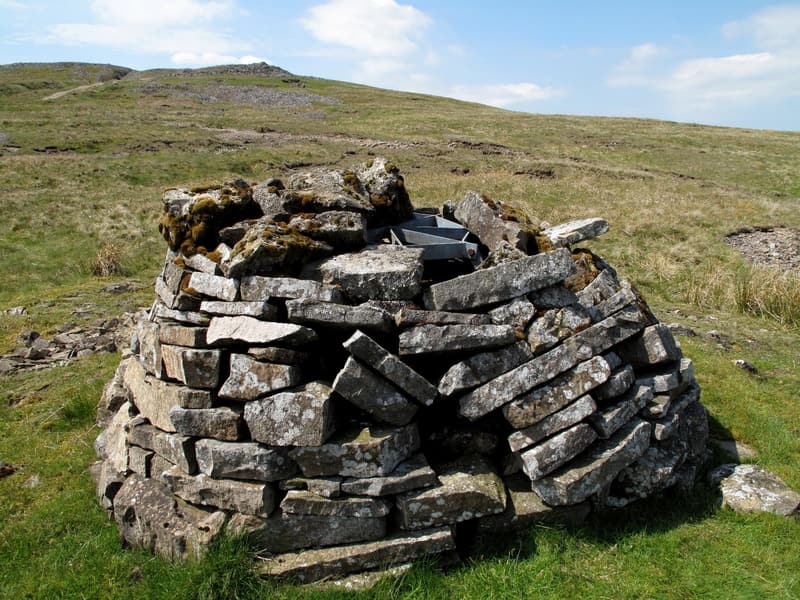
Representative photo · Photo: Trevor Littlewood / Wikimedia Commons, CC BY-SA 2.0
A new five-year strategy for the North Pennines focuses on climate change preparedness, peatland restoration, and improving public access to the countryside.
A comprehensive five-year management blueprint has been adopted for the North Pennines, placing climate change adaptation and public accessibility at the forefront of regional priorities. Four local authorities—Cumberland, Westmorland and Furness, County Durham, and Northumberland—have formally approved the strategy, which guides policy without imposing mandatory restrictions.
The initiative addresses vulnerabilities in the uplands, which face rising temperatures, shifting rainfall, and frequent extreme weather. To combat warmer winters and drier summers, the plan outlines extensive mitigation efforts. These include restoring carbon-rich peat soils to mitigate flood risks and safeguarding existing woodlands to protect local ecosystems.
Agricultural partners are also playing a central role in wildfire preparedness. Major land managers, such as Raby Estates, are collaborating with the North Pennines National Landscape organization to manage fuel loads and equip local farmers with advanced tools. Drone technology is being introduced to help detect fires swiftly, significantly enhancing existing control measures.
Climate change readiness and public access are central to the new North Pennines management plan.
In addition to environmental resilience, the strategy seeks to broaden public engagement. Administrators are partnering with farmers to facilitate educational farm visits, particularly for younger demographics who may not typically experience rural environments. Organizers aim to foster an inclusive atmosphere where visitors feel the landscape belongs to everyone, while simultaneously supporting the local economy.
Funding for the administration is primarily sourced through government allocations and charitable organizations. While the policy recommendations are entirely voluntary, leadership emphasizes a collaborative approach involving all regional stakeholders to successfully implement the comprehensive framework.
Why it matters
The adoption of this five-year management strategy changes how local councils and major landowners prepare for extreme weather events in the uplands. By focusing on wildfire prevention and flood reduction measures, the plan directly impacts regional ecosystems and downstream communities that rely on improved water quality and lowered flood risks.
Sources
More like this

Banana Producers in Latin America Demand Higher Pay Amid Climate Crisis

Photo heavy rains leave tens of thousands without shelter in Gaza

Environmentalists Criticise Earthshot Prize Venue Choice