The catch with recovering a hacked crypto wallet: thieves may hold keys
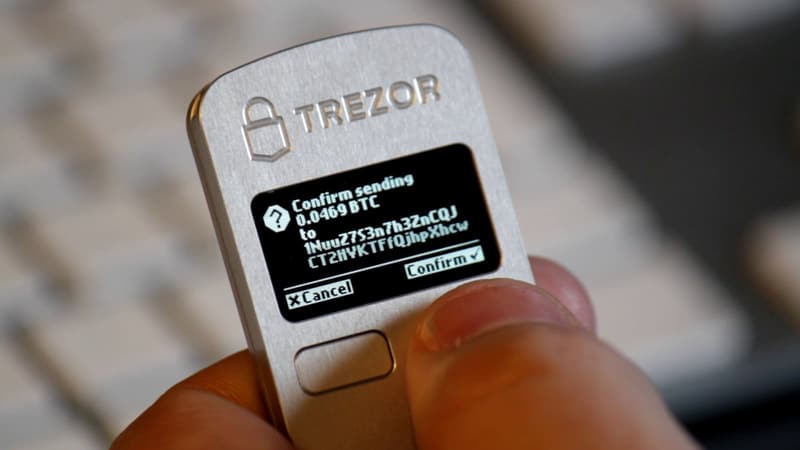
Representative photo · Photo: The original uploader was Ladislav Mecir / Wikimedia Commons, CC BY-SA 3.0
Recent security incidents involving Keplr wallets and Web3Auth highlight a critical issue: backup keys do not guarantee that an exposed account is safe.
This is news, not investment advice. NexVani Media is not a SEBI-registered investment adviser and does not recommend buying or selling any security. Do your own research or consult a registered adviser before investing.
When a digital wallet allows users to sign in through Google or Apple, a sudden pause from the login provider can leave them locked out. Recently, a security interruption by Web3Auth exposed this exact dependency for certain Keplr users, alongside an even more serious issue concerning potentially compromised private keys. While the wallet application normally provides a saved, usable private key as a separate login route, having this backup does not automatically mean that an affected account remains secure.
On November 7, official announcements from Keplr indicated unauthorized transactions on accounts created via social logins, prompting a temporary halt to those methods. Web3Auth subsequently disclosed a security vulnerability within its infrastructure that impacted embedded wallets. Although Keplr documentation explains that social login accounts generate a local hexadecimal private key instead of a traditional recovery phrase, and advises users to store it securely, exporting that key does not resolve underlying confidentiality risks. Importing the secret into a different interface changes how an owner accesses the account, but it does not alter the underlying authorization code or prove that malicious actors lack a copy.
Furthermore, ongoing remediation efforts have added complexity to the situation. Both Web3Auth and partner entities initiated whitehat recovery operations utilizing the original attacker path to protect vulnerable wallets that remained untouched. Meanwhile, Keplr noted that fluctuating balances could stem from these protective mitigation efforts, though distinguishing between an unfamiliar transfer and official security work remains difficult for users watching their funds.
Why it matters
This incident demonstrates the inherent risks of relying on seedless wallet architectures dependent on third-party login providers. While having documented access backups can help mitigate login downtime, it cannot guarantee the safety of exposed keys, leaving asset security and account recovery in a delicate balance until full service restoration and audits are complete.
Sources
More like this

Stablecoin Growth Stalls Even as Blockchain Payments Surge

How a diesel problem could impact bitcoin price trends

One BlackRock Fund Drives Major US Spot Bitcoin ETF Outflows