Hungary Opens Communist-Era Secret Police Files to Public
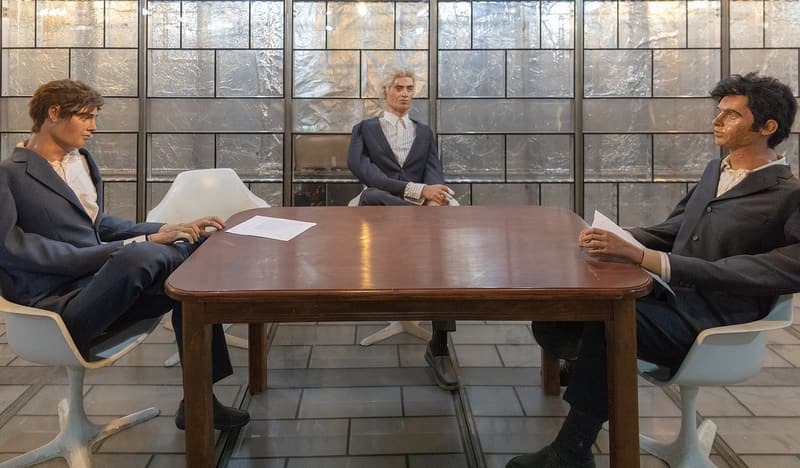
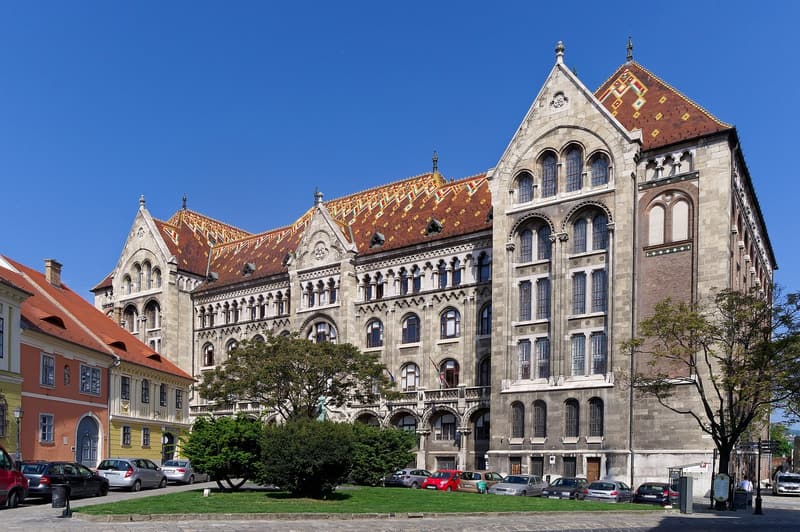
Representative photo · Photo: Jakub Hałun / Wikimedia Commons, CC BY-SA 4.0
Hungary has released thousands of communist-era secret police files, aiming to address historical trauma despite criticism that the move is incomplete and potentially divisive.
The Hungarian government has officially opened access to communist-era secret police files, a move intended to help the nation confront the legacy of 45 years of authoritarian rule. The release, which occurred on the anniversary of the 1956 Soviet military intervention in Budapest, fulfills a key campaign promise made by Prime Minister Péter Magyar. By making these records public, the government hopes to facilitate a national dialogue regarding the trauma experienced under the former regime.
Understanding the Hungary Secret Police records
Citizens can now access the names and personal data of approximately 60,000 individuals recruited by the secret services through the nyitottaktak.hu website. Each entry typically includes the informant's real name, codename, date of birth, and the identity of their handling officer. The records also categorize the motive for recruitment, noting whether individuals acted voluntarily or were coerced through blackmail, such as threats involving employment, access to medicine, or the exposure of personal secrets. While these details are now public, the government has stated that sensitive information regarding private lives will be redacted.
Hungary has released 60,000 secret police files to help the nation process its communist-era history.
This initiative follows decades of hesitation by various political administrations in Hungary. While limited access for researchers and individuals has existed since 1998, previous attempts to fully open the archives were hindered by redacted names and the destruction of documents during the transition period of 1988-1989. Prime Minister Magyar has urged the public to approach these documents with dignity, acknowledging that many families will encounter difficult truths about deceased relatives. A second batch of more detailed records, known as the "B-dossiers," is scheduled for digital release on February 25.
However, the project faces significant opposition. Critics, including historian and MEP Zsuzsanna Borvendég, argue that the release is long overdue and potentially misleading. They contend that the files are incomplete and that the public may lack the context to understand the complex pressures faced by those recruited. Historian Krisztian Ungváry maintains that citizens have a fundamental right to know what the state recorded about them, regardless of political agendas.
Why it matters
The opening of these archives represents a significant shift in how Hungary manages its historical record. By exposing the identities of informants, the government risks reopening old wounds and causing emotional distress to the families of those involved.
For observers, the move highlights the ongoing struggle to reconcile with a past defined by state surveillance. It serves as a reminder of the fragility of privacy and the lasting impact of authoritarian control on social cohesion and individual lives.
Sources
More like this

Alligator strolls into North Carolina bagel shop
Ukrainian strikes kill three in Belgorod as attacks cut power
Zelenskyy Honors Melania Trump With Top Ukrainian Award