India's Costliest Film Retells a Beloved Hindu Epic - But Divides Critics
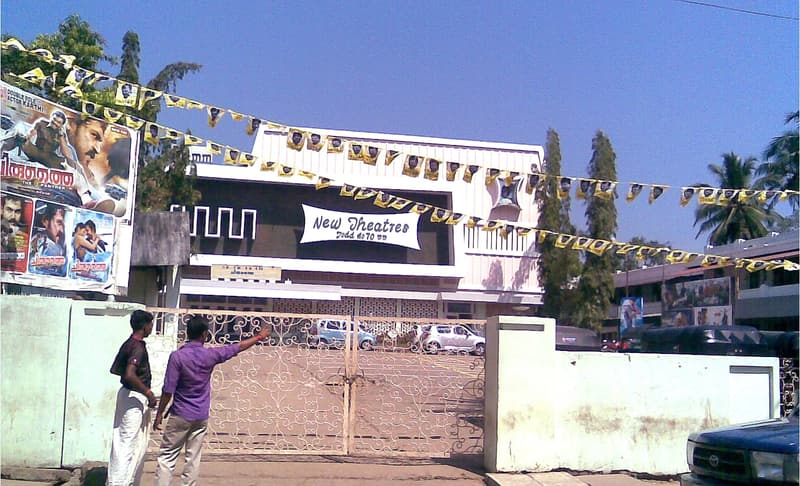
Representative photo · Photo: Binoyjsdk / Wikimedia Commons, CC BY 3.0
The first part of a sprawling, $500m adaptation of the Ramayana has opened globally, drawing mixed reactions from critics over its visual spectacle and narrative approach.
The highly anticipated cinematic adaptation, Ramayana: Rise of a Legend, has officially opened in theaters worldwide. As India’s most expensive film production, with a reported budget of $500 million, the project aims to bring one of the country's most revered foundational epics to a global audience. While the film has generated significant buzz, it has also sparked a debate regarding its execution, particularly as the nation considers its cultural identity, including its India Hindu population percentage. Directed by Nitesh Tiwari, this first of two planned films features a star-studded cast, including Ranbir Kapoor as Lord Ram and Sai Pallavi as Sita, with southern Indian star Yash portraying the antagonist, Ravana.
The $500 million Ramayana adaptation aims for global reach but faces a mixed critical reception.
A Visual Spectacle Under Scrutiny
The production brings together significant international talent, including Hollywood visual-effects expertise from DNEG and a collaborative score by Oscar-winning composers AR Rahman and Hans Zimmer. However, critics remain divided. Some, like Shubhra Gupta of The Indian Express, praised the film as a "perfect epic" that successfully balanced adventure and spectacle. Conversely, Siddhant Adlakha of IGN criticized the computer-generated imagery and action sequences. A specific point of contention was the use of AI to adjust actors' lip movements for the English-language version, which some reviewers found distracting.
This modern retelling invites inevitable comparisons to the 1987 television series by Ramanand Sagar, which achieved legendary status in India. That series famously brought the country to a standstill, with viewers treating broadcasts with a level of reverence that saw streets empty and shops close. In a nod to that history, actor Arun Govil, who played Ram in the 1987 series, returns in this new version as Dasharatha.
Why it matters
The release of this film is a major cultural event, given the Ramayana's deep-rooted influence on poetry, theatre, and religious life across centuries. For audiences in India and the broader South Asian diaspora, the film represents both a nostalgic return to a foundational story and a modern test of how traditional epics can be adapted for a globalized cinema market.
By utilizing massive budgets and international technical expertise, the producers are attempting to redefine the scale of Indian storytelling. Whether this approach resonates with a contemporary audience or struggles under the weight of its own expectations will likely be determined by the performance of the second part, scheduled for release next year.
Sources
More like this

Powerhouse Parramatta Opens With Five Exhibitions And Festival

Russell Brand Detective Urges Potential Victims to Come Forward After Conviction

NewJeans K-pop contracts allegedly omitted rights to sleep and free choice