
Interest Rates Expected to Rise for First Time in Three Years
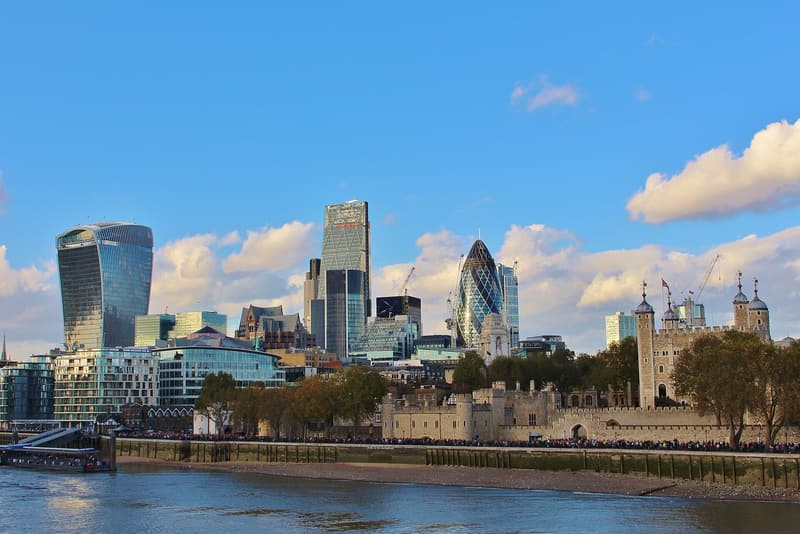
Representative photo · Photo: Len Williams / Wikimedia Commons, CC BY-SA 2.0
Bank of England policymakers are widely expected to increase interest rates on Thursday, marking the first hike in over three years.
Financial markets are closely monitoring upcoming announcements as interest rates are widely anticipated to climb on Thursday. Policymakers at the Bank of England are preparing to make their decision, which would mark the first benchmark rate increase in more than three years. Most analysts predict an adjustment moving the rate from 3.75% to 4%, impacting both borrowers and savers across the country.
The central bank has kept rates steady during its previous six meetings, following a decline from the 2023-24 peak of 5.25%. Inflation pressures, fueled largely by increases in diesel and petrol costs, have pushed officials toward a potential rate hike. The official announcement is scheduled to be released at 12:00 GMT on Thursday.
Chris Cheverall, head of UK at trading platform CMC Markets, noted that the discussion is shifting away from whether the benchmark will reach 4% and moving toward subsequent monetary policy steps. He added that a quarter-point rise is already anticipated, requiring the central bank to balance stubbornly high inflation against a weakening growth outlook.
Inflation, measured by the Consumer Prices Index, reached 3.5% in the year leading up to September 2026. This figure sits significantly above the central bank's 2% target and follows a reading of 3.1% in the prior month. Meanwhile, domestic energy expenses have climbed due to ongoing impacts from the Iran war, leaving numerous households preparing for upcoming price surges in January.
Impact on Mortgages and Loans
A shift in the base rate directly influences the costs that banks and building societies charge consumers for mortgages and savings products. Roughly 510,000 tracker mortgage-holders will experience immediate financial consequences if the rate increases. Calculations from the banking trade body UK Finance indicate that a 0.25 percentage point rise translates to an extra £31 each month for a standard tracker home loan. Meanwhile, roughly 470,000 variable rate borrowers will await individual lender responses, with typical monthly repayments expected to increase by £14 under a similar adjustment.
Fixed-rate borrowers are also encountering significantly higher costs when securing new agreements. Broker L&C reported that average mortgage offers from the ten largest lenders mean certain borrowers might pay almost £5,000 additional annually on a £250,000 loan compared to terms secured in 2021. Conversely, savers are positioned to benefit from improved interest rates offered by financial institutions following any central bank adjustments.
Borrowers face higher repayment costs while savers could see improved returns as the central bank weighs rising inflation.
Why it matters
This anticipated shift alters the borrowing landscape for hundreds of thousands of households and businesses by raising loan and mortgage expenses while offering better returns for savers. The decision underscores the ongoing challenge of balancing elevated inflation against slowing economic growth.
Sources
More like this

David Jones Enters Administration As Thousands of Jobs Face Uncertainty

Sudan factories struggle to restart after wartime losses
Pound rises to highest level since Brexit referendum a decade ago