Stock market rout after how midterm elections affect the president compared to past crashes
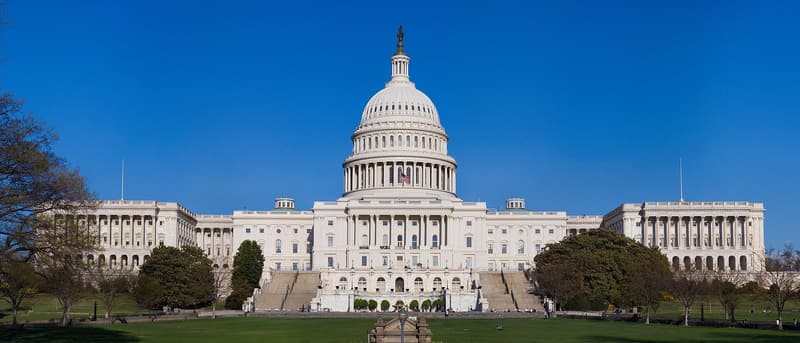
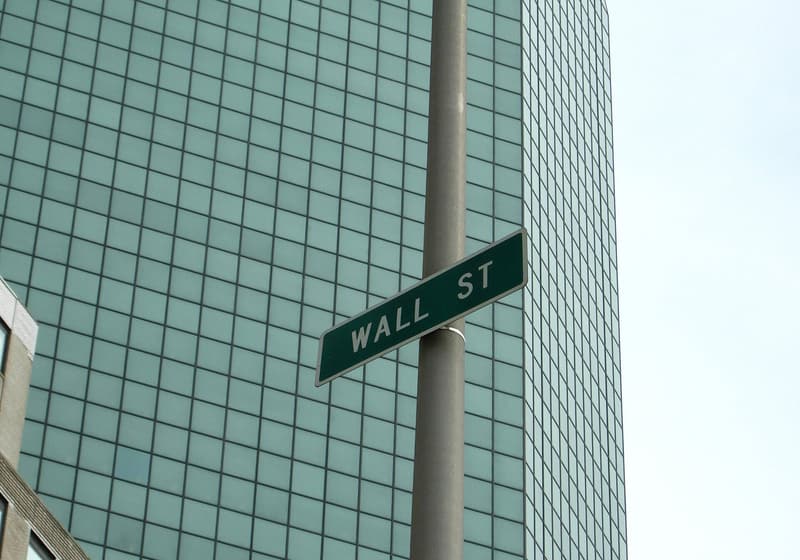
Representative photo · Photo: 颐园居 / Wikimedia Commons, CC BY-SA 4.0
A sharp post-midterm stock market sell-off wiped trillions from American companies, but remains far below historical crashes.
This is news, not investment advice. NexVani Media is not a SEBI-registered investment adviser and does not recommend buying or selling any security. Do your own research or consult a registered adviser before investing.
A sharp, technology-driven stock market sell-off following the United States midterm elections has eliminated trillions of dollars in corporate value, prompting discussions among analysts and observers about how midterm elections affect the president and broader economic sentiment. However, the scale of the recent downturn remains well short of the historical crashes that defined previous financial crises.
Market indices experienced significant declines on Thursday, November 5. The Nasdaq Composite dropped 5.52 percent to enter correction territory, sitting more than 10 percent below its October record. Meanwhile, the S&P 500 fell 4.36 percent, the Dow Jones Industrial Average lost 3.44 percent, and nearly $3 trillion in market value was erased from S&P 500 companies, based on figures from Yahoo Finance. Technology billionaires were also impacted; the Bloomberg Billionaires Index indicated that Elon Musk lost an estimated $113 billion in paper wealth over two days amid declining shares in Tesla and SpaceX, though he retained his position as the world's richest person with an estimated $785 billion fortune.
Technology stocks bore the brunt of the downturn as investors reassessed the outlook for artificial intelligence infrastructure. This shift followed congressional victories for Democrats and wins in several states where data-center development had emerged as a key election issue. Nvidia shares fell 9 percent, Broadcom dropped 10 percent, and a semiconductor-focused exchange-traded fund declined by over 12 percent. In response to the market movement, President Donald Trump addressed the outcome on his Truth Social platform, blaming the results on voter choices during the elections. In a separate post, he stated he was fully in favor of what his administration calls 'Super Intelligence' and intended to work with supportive states.
The post-midterm market rout erased trillions in value, but remains far short of previous financial crashes.
Historical Comparison With Past Crashes
Despite the severity of the one-day losses, the broader market remains far from a bear market definition, which typically requires a 20 percent drop. The S&P 500 closed approximately 6 percent below its record high, remaining well above the peak-to-trough declines seen in historical collapses. While market commentators have noted similarities to the early stages of the dot-com reversal due to enthusiasm for emerging technology and concerns over near-term returns, today's top AI firms consist of profitable businesses with established customer bases and cash flow, unlike many revenue-poor enterprises of the late 1990s.
The dot-com bust saw the S&P 500 plummet roughly 49 percent between March 2000 and October 2002, while the Nasdaq lost 77 percent and took 15 years to recover its peak. Furthermore, the 2007-2009 financial crisis brought an even steeper S&P 500 decline of about 56.8 percent alongside widespread institutional failures. According to Goldman Sachs, abundant past funding allowed internet companies with minimal revenue to reach huge valuations before public offerings froze. Morgan Stanley noted that while recent election results could introduce project delays and stricter state-level data-center rules, the wider capital-expenditure cycle for artificial intelligence remains intact.
Why it matters
The 2026 market rout demonstrates how political shifts, election outcomes, and shifting regulatory environments can rapidly influence investor sentiment toward high-valuation technology sectors. While the immediate sell-off erased trillions of dollars and impacted major industry players, the broader financial system remains distant from the systemic distress seen during historical economic crises. These developments highlight the sensitivity of modern markets to infrastructure policy and regional legislative changes surrounding emerging technologies.
Sources
More like this
AI Stocks Climb After Trillions Wiped From Market Values
How does it affect me if share prices fall?
Asian Tech Stocks Plunge Amid US Regulatory Fears and AI Slump