Netanyahu and Trump Face Historic Rejection After Iran War Backlash
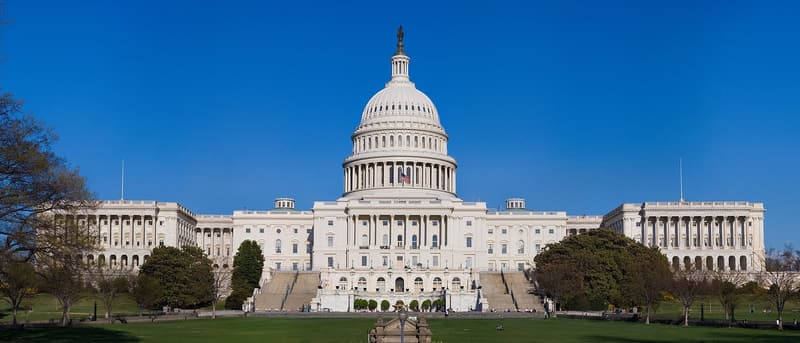
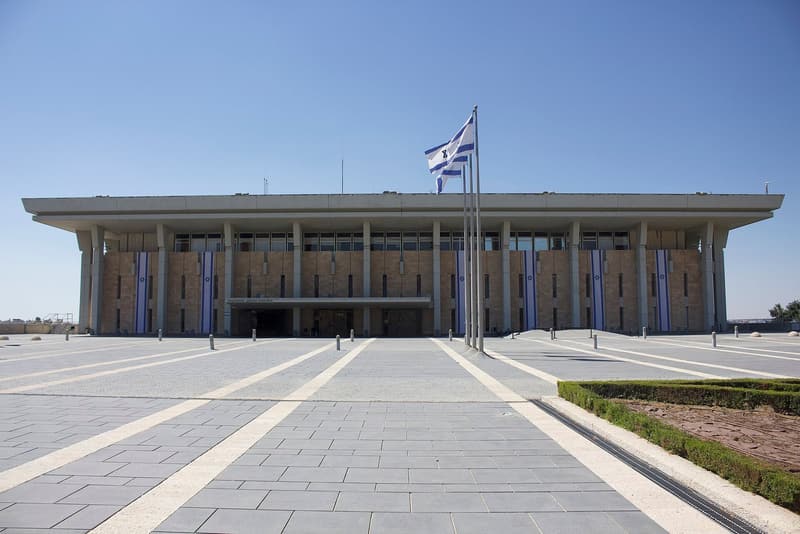
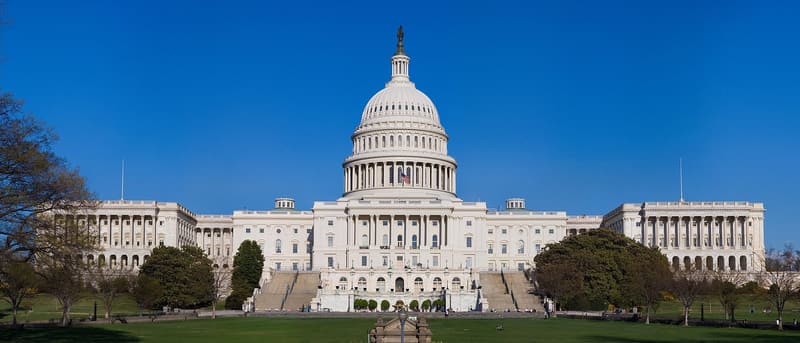
Representative photo · Photo: Clema12 / Wikimedia Commons, CC BY-SA 4.0
Prime Minister Benjamin Netanyahu and US President Donald Trump face severe electoral setbacks following their controversial joint military campaign against Iran.
The resounding midterm defeat of US President Donald Trump and his Republican party has left Israel's political right grappling with the scale of the rebuke directed at their closest Washington allies. Prime Minister Benjamin Netanyahu had repeatedly positioned himself as uniquely qualified to maintain US support, yet late-February actions involving a joint military campaign against Iran prompted immediate regional retaliation and raised the prospect of an all-out war. In the lead-up to simultaneous electoral contests, both leaders exchanged effusive endorsements, urging electorates to support their ally. ## The Fallout of the Netanyahu Trump Alliance These political maneuvers ultimately backfired. Netanyahu's right-wing coalition secured only 53 seats in the parliamentary vote, falling short of the 61 needed to govern. Meanwhile, Trump's party lost control of both the House of Representatives and the Senate to Democratic challengers making sweeping inroads into traditional Republican strongholds. Analysts noted that foreign policy, particularly the war with Iran and US backing of Israel, played a central role as voters connected these military engagements to domestic pocketbook issues. Polling indicated that a majority of US citizens believed Israel influenced the decision to instigate the costly conflict, turning Washington's relationship with Tel Aviv into a political liability rather than an asset. While Trump acknowledged the impact of the war on energy prices, Netanyahu questioned his own electoral defeat, accusing foreign powers of illegally boosting votes for Arab-led parties and threatening not to recognize result certifications. Opposition figures in Israel argued these reactions rendered the prime minister politically noxious. Amid these developments, Trump claimed he made a deal to end annual US military funding to Israel after 2026, though questions remain regarding future access to cutting-edge weaponry. Former officials highlighted that the relationship has reached a real inflection point, fundamentally altering future strategic ties between the two nations. ## Why it matters The simultaneous electoral defeats of two major allied leaders alter diplomatic dynamics between Washington and Tel Aviv at a critical juncture of regional conflict. This political shift affects regional stability, legislative priorities, and future military assistance frameworks as new coalitions attempt to form under the weight of voter dissatisfaction.
Sources
More like this
Democrats Win Congress in US Midterm Elections
California Democrat Randy Villegas Wins House Seat
New Congress May Struggle to Push Progressive Agenda