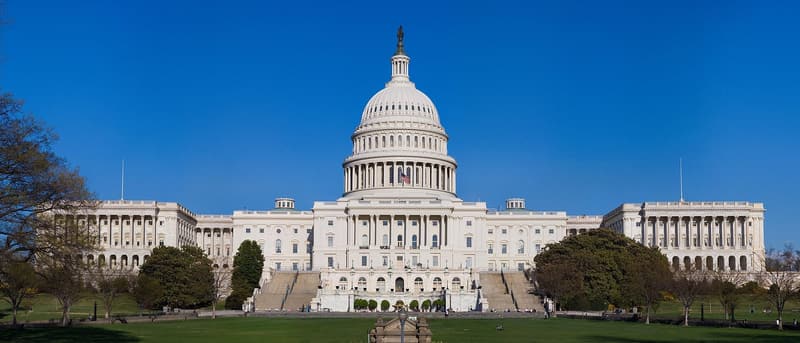
US Voters Back AI Data Center Restrictions
Representative photo · Photo: Joël van der Loo / Wikimedia Commons, CC BY-SA 4.0
Communities across the United States have backed measures to curb artificial intelligence infrastructure amid rising concerns over utilities and public oversight.
This is news, not investment advice. NexVani Media is not a SEBI-registered investment adviser and does not recommend buying or selling any security. Do your own research or consult a registered adviser before investing.
Voters in at least 29 jurisdictions across the United States recently backed prohibitions or restrictions on data center development, creating fresh obstacles for the massive infrastructure expansion fueling artificial intelligence systems. According to Ballotpedia, 41 measures concerning these facilities appeared on November ballots across 10 states, involving both development limits and project support. This wave of voter backlash highlights growing local friction over the heavy resource demands of modern computing campuses.
The ballot initiatives took various forms, ranging from complete prohibitions and mandatory public approval steps to nonbinding advisory votes. Ohio emerged as a primary center of opposition, where all 10 charter measures promoted by Conserve Ohio passed successfully. Local support for bans reached over three-quarters in Hubbard, while Granville, Trenton, and Sunbury saw restrictive measures pass by margins between 78% and 82%. Similar sentiments appeared in Illinois, where nearly 80% of Joliet Township voters rejected an advisory proposal backing such facilities, and in Wisconsin, where Janesville residents mandated additional public voting before major development occurs at a former industrial site.
Local voter backlash creates new hurdles for artificial intelligence infrastructure development across the United States.
These massive facilities house specialized processors required to train and operate artificial intelligence technology. Their enormous appetite for electrical power has turned proposed campus locations into local battlegrounds over utility rates and grid capacity, while critics also voice worries regarding excessive water consumption, loud operational noise, and a lack of transparent public oversight during project planning.
Industry participants are actively working to address the rising negative perception. Certain organizations have increased lobbying efforts and launched public relations initiatives, with OpenAI even adopting the term compute campuses to distance the technology from mounting community resistance. Meanwhile, political leaders championing stricter oversight have secured notable election victories, such as in Texas and Ohio, where newly successful candidates campaigned for project moratoriums.
Some industry figures have cautioned that comprehensive restrictions might jeopardize national artificial intelligence investments. BlackRock Chief Executive Officer Larry Fink warned that broad moratoriums could trigger severe economic consequences, stating that such measures might push the country toward a recession.
Why it matters
These widespread community restrictions signal a growing friction between rapid technological advancement and local resource management, directly affecting major technology companies attempting to expand their physical footprints. As electricity bills, water supplies, and public transparency take center stage, the ability of artificial intelligence developers to scale their operations smoothly faces unprecedented local hurdles.
Sources
More like this
Matt Corallo Flags Severe Linux Kernel Vulnerability and LND Update
Tech Stocks Split After Democratic Sweep: Microsoft Jumps, Nvidia and Tesla Tank

Morgan Stanley Moves Assets Onchain Using Wall Street Infrastructure