Historic Sites Including Norman Conquest Castle Added to Heritage at Risk Register
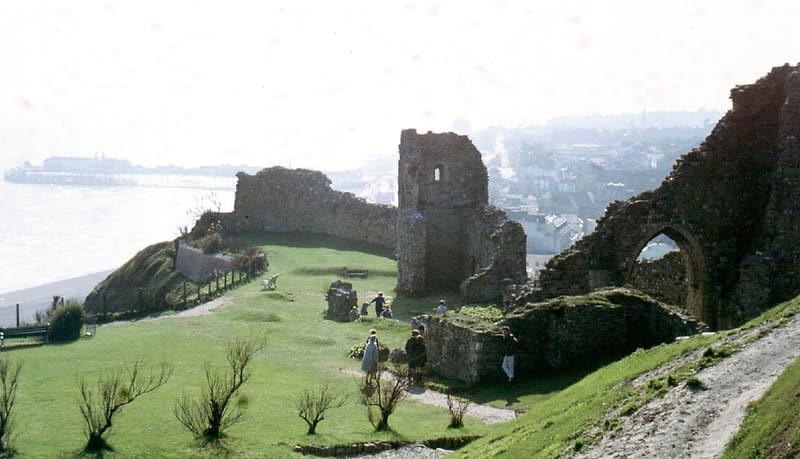
Representative photo · Photo: Tickler Tin on Flickr / Wikimedia Commons, CC BY-SA 2.0
Historic England has added nearly 200 sites, including Hastings Castle and Charles Dickens' writing chalet, to its heritage at risk register due to decay and environmental threats.
Historic England has officially updated its heritage at risk register, incorporating nearly 200 new sites that face threats of decay or destruction. Among the notable additions are Hastings Castle, a fortification dating back to the Norman Conquest, and the wooden writing retreat once used by Charles Dickens in Kent. These sites join an extensive list that now includes approximately 5,000 historic locations across the country.
Protecting Norman Conquest and Victorian History
Hastings Castle, commissioned by William the Conqueror following the 1066 invasion to secure the south coast, has been placed on the register due to vulnerabilities caused by extreme weather and coastal erosion. Similarly, the Swiss-style chalet where Charles Dickens famously worked has been identified as fragile and in urgent need of repair. The structure, which was moved to Rochester in the 1960s, served as a private workspace where the author developed characters and rehearsed public performances.
Other significant additions include Fylingdales Moor in North Yorkshire, which suffered extensive damage during a wildfire in 2025, and Hall’s Croft in Stratford-upon-Avon, the former home of William Shakespeare’s daughter. The 18th-century Bidston windmill in Merseyside has also been listed as it requires urgent structural intervention.
Nearly 200 historic sites have been added to England's heritage at risk register due to climate and decay.
While the new additions highlight ongoing concerns, Historic England also reported positive progress. During the 2025-26 period, 85 sites were successfully removed from the register after being saved. Notable successes include the restoration of Newlyn harbour in Cornwall and the transformation of a Georgian terrace in Tottenham into a creative hub. Furthermore, the historic hut in Gloucestershire where Edward Jenner conducted early vaccination work has been secured.
Emma Squire, joint chief executive of Historic England, noted that the diversity of the additions underscores that even highly significant landmarks are susceptible to environmental pressures. According to the organization, changing weather patterns, including increased water ingress and subsidence, are placing unprecedented stress on historic structures. The government has allocated over £12 million in grants to support the repair and maintenance of sites on the register.
Why it matters
The expansion of the heritage at risk register highlights the growing vulnerability of cultural landmarks to the climate emergency, including stormier winters and hotter summers. This trend affects the preservation of global history, serving as a reminder that even iconic sites require active management to survive environmental shifts.
For readers in India and South Asia, this serves as a parallel to the challenges faced by many historic sites in the region, where extreme weather and urban development similarly threaten ancient architecture and cultural heritage.
Sources
More like this
France braces for nationwide strikes and protests over living costs

Chef Sacked for Refusing Pineapple on Pizza Loses Bid to Reclaim Job

South Korea to Expand Anti-Piracy Naval Operations Near Strait of Hormuz