Singapore Haze Law Changes Aim to Make Non-Compliant Firms Pariahs
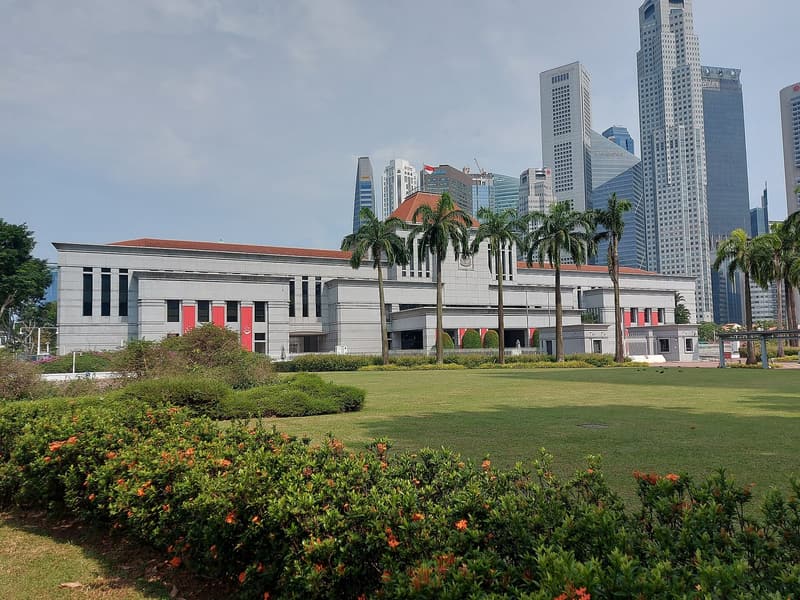
Representative photo · Photo: Johan Jönsson ( Julle ) / Wikimedia Commons, CC BY-SA 4.0
Singapore has strengthened its haze law to impose severe business restrictions on uncooperative companies and curb transboundary pollution.
Singapore recently passed legislative amendments to its Transboundary Haze Pollution Act, introducing measures that could isolate non-compliant firms and transform them into corporate pariahs. Experts note that the updated legislation provides authorities with expanded powers to intervene even before pollutive smoke reaches the nation. Under the changes, businesses handed legal notices must fully cooperate or face severe commercial consequences.
In a departure from previous enforcement mechanisms, the updated law allows authorities to target revenue streams and business interests directly. The minister for sustainability and the environment can designate specific entities, subsequently issuing orders that restrict commercial dealings and prohibit the provision of goods and services, including financial services. Legal specialists highlight that these expanded powers open pathways separate from traditional prosecution, creating significant risks for any commercial partners connected to designated firms.
Singapore's revised haze law introduces severe restrictions to penalize non-compliant and uncooperative companies.
Previously, the 12-year-old legislation could only be triggered if the Pollutant Standards Index remained in the unhealthy range for 24 hours or more due to haze. The updated framework enables earlier pre-emptive interventions, prompting plantation operators to ramp up firefighting efforts or halt burning activities before blazes worsen. Furthermore, penalties for infractions have increased substantially, raising daily fines from a maximum of $100,000 up to $1 million, capped at a total of $20 million.
The regulatory changes have already affected several entities. Authorities previously issued Section 9 notices to 10 Indonesian firms operating pulpwood and oil palm plantations in Sumatra and Kalimantan, requiring preventive action against fires. Additionally, Section 10 notices were served to 10 Singapore-registered companies in the forestry and palm oil sectors, including Wilmar International, First Resources, and subsidiaries of the Sinar Mas conglomerate, demanding information for investigations.
Supply Chain Audits
Legal analysts predict that the updated legislation will prompt businesses in the agro-forestry and retail sectors to conduct internal supply chain audits. Companies and retailers selling palm oil or paper products must map their business relationships to ensure their operations remain clean and free of links to haze-involved entities. While experts suggest these audits will help firms mitigate commercial and regulatory risks, questions remain regarding their effectiveness given challenges surrounding ground information and supply chain certifications.
Why it matters
The strengthened haze law alters regulatory enforcement by allowing Singapore to take pre-emptive action against transboundary pollution before smoke impacts the country. By targeting revenue streams and business interests, the legislation increases pressure on agro-forestry firms, retailers, and financial institutions to ensure compliance and clean supply chains.
Sources
More like this

Famous New Mexico Rock Formation Destroyed After Heavy Rains
Understanding What Paris Agreement Means for Global Climate Targets
A really simple guide to climate change and global warming impacts