
Tokyo Stock Market Plummets Amid AI Concern and A Traditional Market Saying
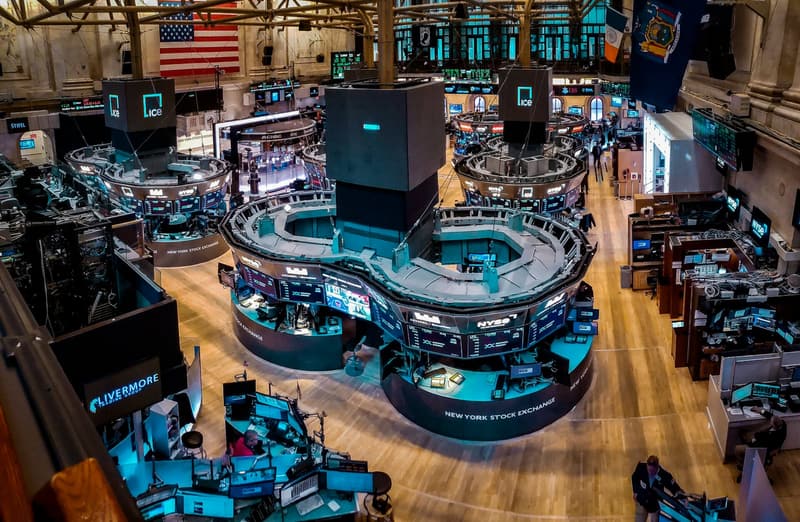
Representative photo · Photo: Suicasmo / Wikimedia Commons, CC0
The Nikkei Stock Average experienced a historic drop triggered by U.S. political shifts, recalling old lessons about market fluctuations.
This is news, not investment advice. NexVani Media is not a SEBI-registered investment adviser and does not recommend buying or selling any security. Do your own research or consult a registered adviser before investing.
The Tokyo stock market experienced severe turbulence recently, leading many investors to reflect on traditional wisdom such as the concept of a half-price drop during a sell-off. On November 6th, the Nikkei Stock Average saw a steep decline, closing significantly lower and falling beneath a major milestone for the first time in roughly six months, marking one of the largest drops in its recorded history.
This market downturn was triggered by the outcome of the U.S. midterm elections, which sparked worries regarding potential new regulations on artificial intelligence and a deceleration in capital investments such as data center construction. Consequently, semiconductor and AI equities that previously propelled the market upward are now driving the retreat, lending the situation the character of a global market crash.
However, election outcomes do not inherently guarantee an immediate decline in the operational performance of AI enterprises; rather, market perceptions surrounding future regulations and investment trajectories have shifted. Historically, phrases like half-price, 80 percent, and 20 percent off have been used to illustrate the potential depth of a stock price correction from its peak. This linguistic guideline suggests an asset might eventually drop to roughly one-third of its high, though such expressions serve merely as historical observations rather than guarantees or prophecies.
Stock prices incorporate current company value alongside shifting public expectations for the future.
Interestingly, this terminology originated not within financial exchanges, but among textile and medicine wholesalers in Osaka who needed a method to clear unsold merchandise. When buyers refuse goods at a desired price, sellers must eventually reduce values significantly. Financial markets and merchandise trade share a fundamental reliance on supply and demand dynamics, though equities are uniquely swayed by future expectations.
When expectations are unmet, valuations often decline even prior to any actual deterioration in company performance. During periods of rising values, market participants frequently convince themselves that current economic trends are entirely unprecedented. Genuine technological innovation and appropriate equity valuations remain entirely separate considerations, as demonstrated by past events like the historical IT bubble.
Why it matters
This sharp correction demonstrates how rapidly market sentiment can shift in response to regulatory concerns and changing expectations regarding major technological sectors. The turbulence affects global investors by highlighting the divergence between genuine technological progress and appropriate asset valuation.
Sources
More like this
AI Stocks Climb After Trillions Wiped From Market Values

AMD Shares Jump 11% Following Strong Quarterly Revenue Results
How does it affect me if share prices fall?