UNHCR Criticises UK’s 30-Year Earned Settlement Plans for Refugees
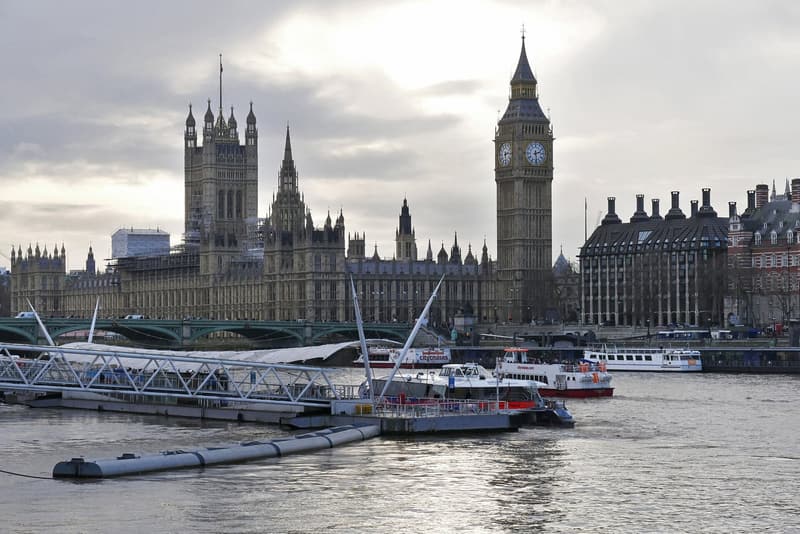
Representative photo · Photo: Alan Hunt / Wikimedia Commons, CC BY-SA 2.0
The UN refugee agency and human rights advocates have strongly condemned British proposals that could force certain refugees to wait decades for settlement.
The United Nations High Commissioner for Refugees has raised serious objections regarding a British government proposal that would compel refugees arriving via irregular methods to wait up to three decades before gaining permission to settle permanently in the country. This controversial strategy was unveiled by Home Secretary Shabana Mahmood alongside a slight relaxation of certain immigration rules, while simultaneously preserving strict penalties initially drafted during the previous year.
While the administration introduced a specific exemption allowing care workers to apply for indefinite leave to remain after five years, it maintained stringent restrictions for individuals entering the nation through irregular means, such as small boats or concealed inside cargo vehicles. Such individuals face a maximum qualifying period of thirty years, although this timeframe can be shortened through active engagement in employment or education. Nevertheless, officials have also imposed a ten-year penalty on those utilizing irregular entry channels rather than officially sanctioned pathways.
The new UK immigration rules force vulnerable refugees into decades of uncertainty and fear.
Representatives from the UN agency acknowledged the existence of legal pathways but noted that accessibility remains severely restricted to a tiny minority. The organization cautioned that an extended qualifying period, combined with short-term stay arrangements and restrictions on eventual citizenship, would damage refugees' stability, sense of belonging, and ability to integrate into local neighborhoods. Independent groups, including the Helen Bamber Foundation, echoed these warnings, describing the lengthy qualifying period as inhumane and pointing out that such punitive measures fail to deter desperate individuals fleeing violence and torture.
Why it matters
This policy shift directly impacts thousands of displaced individuals, including survivors of extreme cruelty, by extending their period of vulnerability and social insecurity. While the regulatory changes focus primarily on domestic UK borders, discussions surrounding global displacement trends and refugee rights remain a matter of international attention.
Sources
More like this
Mike Johnson Says He Will Not Seek House Minority Leader Role
Why Are Western States Still Counting Votes?
Republicans angry about iran and midterm losses point finger at Donald Trump