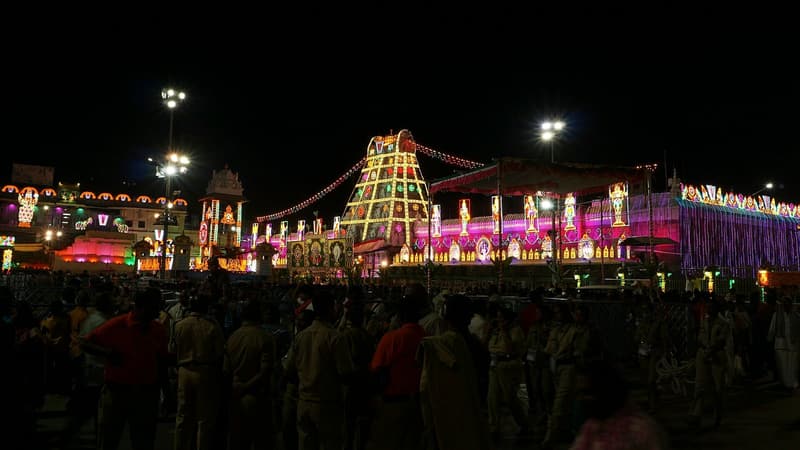
Homes and Temples Glow Across India as Diwali Begins
Representative photo · Photo: Devbagdi / Wikimedia Commons, CC BY-SA 4.0
Millions of people across India are marking the festival of lights with glowing oil lamps, family prayers and traditional sweets, while concerns persist over air quality.
Communities across India are celebrating Diwali, the Hindu festival of lights, by illuminating homes, temples, offices, and streets with traditional oil lamps and vibrant decorations to symbolise the triumph of light over darkness. The five-day observance falls on the darkest night of the Hindu lunar month of Kartik when the moon is completely hidden from the sky. Regional traditions vary widely, but the period is generally marked by family gatherings, intricate floor patterns known as rangoli, the exchange of sweets, and festive feasts. ## Festivities and Air Quality Concerns While the celebrations bring together people of various faiths including Sikhs and Jains, they unfold amid growing worries regarding air quality, particularly across northern regions. Seasonal weather patterns, crop residue burning, and the bursting of firecrackers can severely worsen conditions. In Delhi, the air quality index reached 391 on Friday morning, placing it in the very poor category, while Mumbai reported a drop to moderate levels after earlier spikes. To mitigate environmental impacts, the Supreme Court permitted the sale and use of certified green firecrackers that produce lower emissions, though critics question their overall effectiveness.
Millions across India celebrate Diwali with lights and sweets amid air quality concerns.
Traditions Across Five Days The celebrations began with Dhanteras on 6 November, when acquiring new utensils, gold, or silver is considered auspicious. The second day, Chhoti Diwali, sees the lighting of lamps and occasional fireworks. The main celebration falls on the third day, featuring evening prayers dedicated to the goddess Lakshmi, followed by festive meals. The fourth day brings regional new year festivities and family visits, while the final day, Bhai Dooj, honours the bond between brothers and sisters. Additionally, Sikhs observe Bandi Chhor Divas and Jains commemorate the liberation of Lord Mahavira during this auspicious week.
Why it matters Millions of people in India and international diaspora communities mark the festival to celebrate cultural heritage and community bonds. The observance also influences regional commerce, including special trading sessions on stock exchanges and widespread retail activity.
Sources
More like this
Ukraine Raises Zaporizhia Aid Strike Death Toll to at Least 50

What a Trump-Xi-Putin Summit Could Mean for Global Power

Iranians Face Looming War Threat Amid Information Vacuum