India's Primary School Children to Drop by 20% by 2036
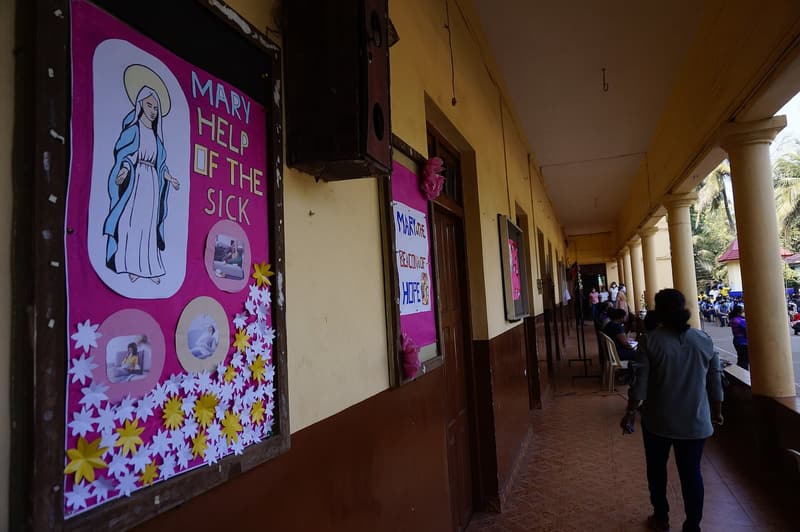
Representative photo · Photo: Fredericknoronha / Wikimedia Commons, CC BY-SA 4.0
A new EAC-PM working paper projects India's primary-school-age population to shrink by nearly 20% by 2036, transforming school planning.
India faces a significant demographic transformation that could see roughly 2.5 crore fewer children entering primary-school age by 2036. According to a new working paper by the Economic Advisory Council to the Prime Minister, this shift will require a fundamental reassessment of how the nation plans and manages its educational infrastructure. While India vs New Zealand cricket matches capture headlines, deeper structural shifts are quietly reshaping the foundation of the country's education system.
The research paper, titled How India is Transforming Educational Capacity under the New Education Policy 2020, indicates that the population of children aged five to nine will decline from 12.53 crore in 2011 to 10.02 crore in 2036. Projections prepared by the National Commission on Population using Census 2011 data show this age group will first fall to 11.27 crore by 2026, marking a 10% decrease from 2011 levels, before dropping another 11% over the following decade. Authored by Soumya Kanti Ghosh and Shashidharan Sharma, the study links these changing figures to a falling total fertility rate, which dropped from 2.1 in 2019 to 1.9 in 2024.
India's primary-school-age population is projected to fall by nearly 20% by 2036.
Despite the national decline in child population, admission trends vary significantly between rural and urban areas. Rural school enrolment across Classes 1 to 12 decreased by roughly 78 lakh between 2012-13 and 2021-22, dropping to 17.93 crore. Conversely, urban schools gained approximately 93 lakh students, pushing their total enrolment to 7.64 crore and increasing their overall share from 26.4% to 29.9%. State-level figures further illustrate this uneven transition, as seen in Uttar Pradesh where rural enrolment fell while urban enrolment rose.
The changing demand has also affected the broader school network. Total reported schools declined by 5.4% between 2018-19 and 2025-26, falling from 15.51 lakh to 14.67 lakh. Primary-only schools experienced an even sharper 12.6% reduction, decreasing from 8.27 lakh to 7.22 lakh, while institutions offering education up to Class 12 grew by 29.7% to reach 1.69 lakh.
Rethinking Educational Resources
Rather than simply shutting down schools in response to fewer students, the authors advocate for a strategic redistribution of resources. The National Education Policy 2020 suggests creating school complexes and clusters, enabling neighbouring institutions to share facilities, leadership, and teachers. This approach allows smaller schools to maintain access to laboratories and libraries without necessarily halting operations entirely.
Why it matters
This demographic shift reshapes demand, enrolment patterns, and school resource planning across the country. It directly affects policymakers, educators, and communities by forcing a transition from expanding capacity to reorganising existing educational infrastructure based on local demand and accessibility.
Sources
More like this

China electric bikes see rising demand as fuel costs climb

Nationwide Launches New Savings Account With 5.3% Interest Rate

Rising UK interest rates push up borrowing costs and my mortgage payments