Why Iran exempted India, China, Qatar, and Iraq from Hormuz curbs
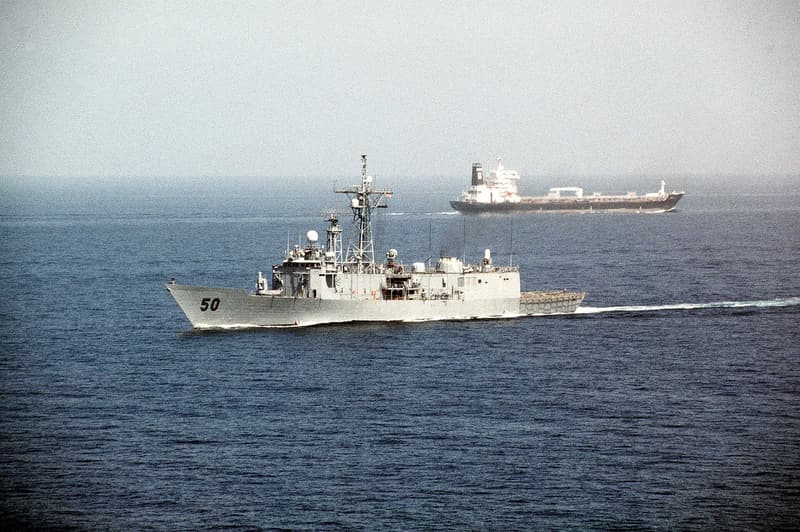
Representative photo · Photo: Department of Defense. American Forces I / Wikimedia Commons, Public domain
Tehran has exempted ships from India, China, Iraq, and Qatar from Strait of Hormuz restrictions, allowing free passage amid an ongoing naval blockade.
Iran has officially exempted vessels from India, China, Iraq, and Qatar from the strict limitations it placed on the Strait of Hormuz, according to a senior Iranian lawmaker. This development comes as observers question why iran us war started and how these specific nations continue to move cargo while a wider blockade remains active. Amir Hayat Moqaddam, deputy chairman of the Iranian parliament’s National Security and Foreign Policy Committee, explained that ships belonging to these four countries navigate freely and avoid interception by American forces.
Tehran expects to receive medicine from India and political backing from China through these arrangements. Furthermore, Iran already secures diplomatic support from Qatar, which acts as a mediator seeking to end the ongoing conflict. While Qatari vessels pass without charge, Hayat Moqaddam noted that Tehran collects transit fees from Indian and Chinese ships, though he did not specify whether Iraqi vessels pay a toll.
Understanding the Exemptions and Transit Fees
Analysts note that bartering and quid pro quo trade tactics are familiar strategies for sanctions-hit Iran. Nader Hashemi, an associate professor at Georgetown University, suggests that Tehran likely charges transit fees or takes a percentage of cargo value to let these ships pass without interference. Wolfgang Pusztai, a former defence attache, described the decision as a clever move designed to generate significant revenue, especially given that China purchases nearly ninety percent of Iran's crude oil exports.
Asian economies remain heavily reliant on Gulf energy supplies. Kpler analytics show that China and India absorbed substantial shares of Gulf crude passing through the strait in October. At the same time, regional nations face complex diplomatic dilemmas as they balance their relationships with Washington against the economic necessities of procuring oil, gas, and vital pharmaceuticals.
Iran's exemption of select nations from Hormuz restrictions aims to generate revenue and bypass the US naval blockade.
Why it matters
The decision to permit unhindered passage for select countries alters regional trade dynamics during the US-Israel conflict, directly impacting energy security and pharmaceutical supplies across Asia. For readers in India and South Asia, the resumption of specific shipping lanes provides a critical lifeline for oil imports and essential medicine that cannot be domestically manufactured, though it introduces delicate diplomatic challenges with Washington.
Sources
More like this
Police Turn to Charities as Teens Get Caught in Online Abuse

Israeli Buyers Spark Resentment in Athens
Iraq Prime Minister Talks to Trump Over Regional Security