Ten Years After Paris Agreement, Are Climate Talks Making Any Progress?
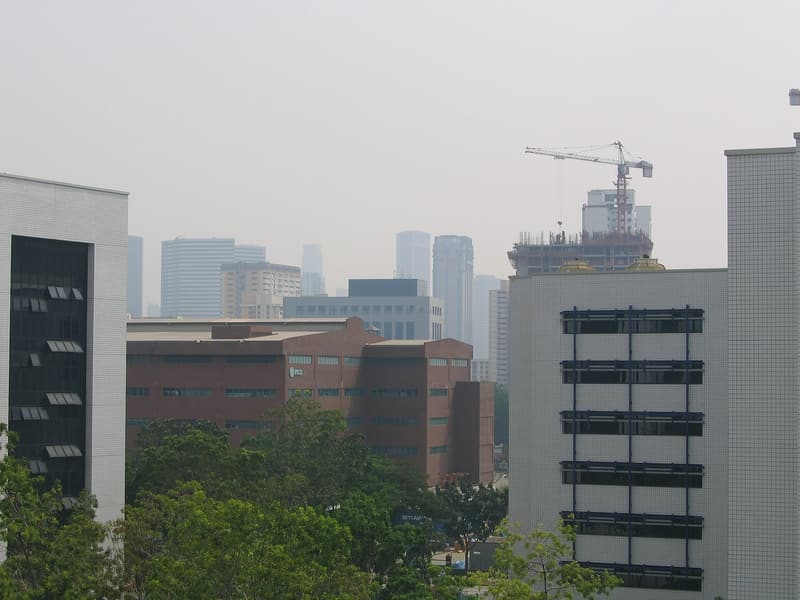
Representative photo · Photo: Steve Cadman / Wikimedia Commons, CC BY-SA 2.0
A decade after the Paris climate treaty, experts question the effectiveness of global climate talks as greenhouse gas emissions and global temperatures continue to rise.
Ten years after the signing of the Paris climate treaty, international climate summits face a deep impasse. The landmark agreement aimed to limit global heating to 1.5C above pre-industrial levels, but global temperatures have exceeded that threshold for two years. The UN recently revealed that optimistic estimates now point to 1.7 to 1.8C of future heating. Observers and insiders are increasingly asking what is the point of the continuous negotiations as the acceleration of warming outpaces current policy timetables.
Ahead of recent summits, host nations have struggled with deep divisions. Brazil removed national emissions reduction plans from formal negotiations, insisting they were strictly national matters. Meanwhile, the United States withdrew from the Paris agreement under President Donald Trump, and petrostates like Saudi Arabia, Russia, and Venezuela have repeatedly utilized the consensus rule to obstruct progress. Major developed economies have also fallen short, with Australia maintaining fossil fuel exports, Turkey planning increased carbon output, and other nations rolling back environmental targets and reducing climate finance contributions.
The Paris agreement serves as a vital moral compass, yet the pace of global climate action remains dangerously slow.
Critics argue that the convoluted negotiation processes and labyrinthine structures of the UN climate conferences have proven dispiriting and ineffective. It took more than thirty years of negotiations after the 1992 framework convention for fossil fuels to be directly addressed, and the landmark 2023 agreement in Dubai to transition away from fossil fuels lacked concrete timeframes or supporting policies. Despite these severe shortcomings, international experts and former climate envoys maintain that the framework remains essential because all countries must eventually move away from planet-damaging heat injection together.
Why it matters
While the official Cop framework struggles with consensus blocks and slow progress, alternative actions are marching forward. Nearly sixty countries recently formed an independent group to draw up national roadmaps for transitioning away from fossil fuels, pointing toward decentralized climate solutions beyond formal summits.
Sources
More like this

Famous New Mexico Rock Formation Destroyed After Heavy Rains
Understanding What Paris Agreement Means for Global Climate Targets
A really simple guide to climate change and global warming impacts