Singapore concludes worst haze episode since 2015
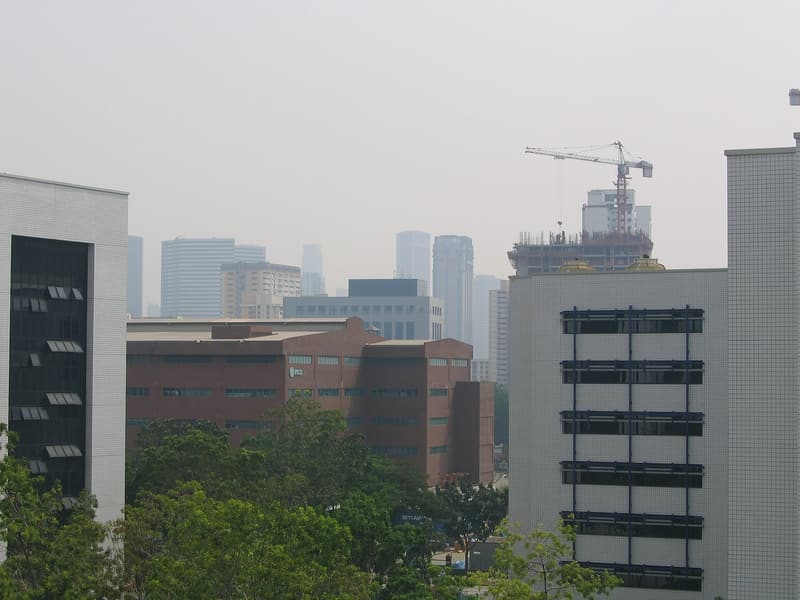
Representative photo · Photo: pslim / Wikimedia Commons, CC BY 2.0
Singapore is ending its haze mitigation measures after a prolonged smoke episode, bringing a halt to daily advisories and mask distributions.
Singapore is concluding the majority of its haze mitigation measures as conditions show sustained improvement following a prolonged smoke episode that lasted about two months. Authorities announced that daily haze advisories, N95 mask distributions, and designated haze shelters will end, while the inter-agency Haze Task Force stands down. Subsidised medical treatments for health conditions related to the haze will also finish in mid-November.
Beginning in September, the country recorded numerous days when the 24-hour Pollutant Standards Index entered the unhealthy bracket. Although the peak readings did not surpass the severe levels witnessed during the 2015 crisis, the ongoing poor air quality persisted for an extended duration, setting a new record for continuous exposure above standard safety thresholds. The prolonged smoky conditions prompted the cancellation of various outdoor events, though the nation managed to avoid school closures and delivery suspensions.
Singapore is wrapping up its longest haze episode since 2015 following sustained air quality improvements.
In response to the deteriorating environment, the government rolled out protective public health initiatives. Officials distributed protective masks to vulnerable populations and lowered the age threshold for free distribution during a secondary rollout. Subsidized consultations were also made available across public health clinics and polyclinics. Experts generally commended the public health management and communication strategies employed during the crisis, noting the successful balance between proactive intervention and panic prevention.
Why it matters
The conclusion of these emergency protocols signifies a return to routine conditions for residents and businesses affected by weeks of poor air quality. While the immediate health measures are stepping down, the recurring nature of transboundary smoke highlights ongoing environmental vulnerabilities across the region, keeping accountability for cross-border fires a central challenge.
Sources
More like this

Famous New Mexico Rock Formation Destroyed After Heavy Rains
Understanding What Paris Agreement Means for Global Climate Targets
A really simple guide to climate change and global warming impacts