Wall Street blocks tokenized shares, but stock perps remain available
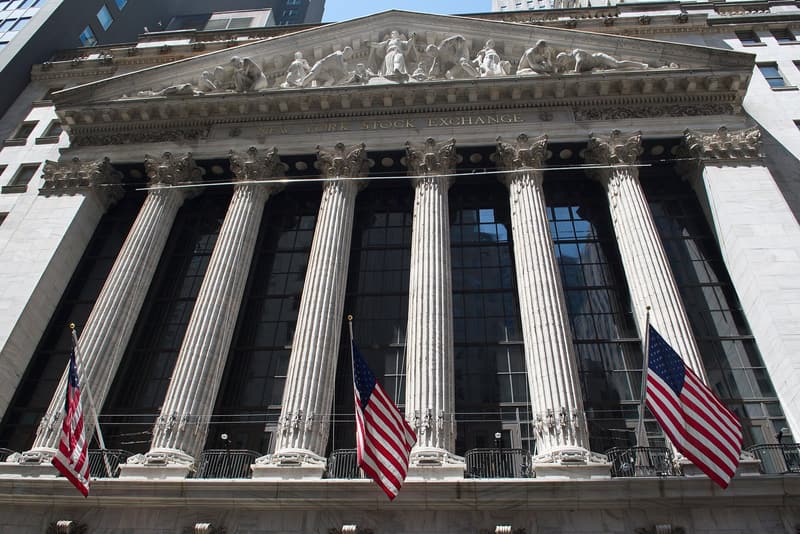
Representative photo · Photo: 颐园居 / Wikimedia Commons, CC BY-SA 4.0
Costco and other issuers have successfully blocked tokenized versions of their shares, yet traders can still access stock perpetual contracts.
This is news, not investment advice. NexVani Media is not a SEBI-registered investment adviser and does not recommend buying or selling any security. Do your own research or consult a registered adviser before investing.
Major supermarket operator Costco recently made news when it strongly objected to a blockchain version of its shares. While the company raised valid concerns regarding tokenization risks, traders can already buy blockchain-based contracts that follow stock prices. The corporation is among 67 issuers in an OKX ICE notice published on Nov. 5, blocking third-party tokenized versions of their stock from a proposed venue backed by the New York Stock Exchange owner. Meanwhile, platforms like Kalshi list a Costco perpetual, which offers price exposure without granting its buyer any shares.
Traditional shares give owners an interest in a business alongside voting and distribution rights. OKXICE's proposed model relies on a tokenization provider acting through a registered broker-dealer to hold one underlying share for each token. Under a September Securities and Exchange Commission exemption, qualifying venues can operate outside ordinary registration if tokens preserve equivalent shareholder rights, including votes and dividends. However, before offering unaffiliated third-party tokens, an exchange must notify the issuer. Companies have 30 days to object, a right that Costco and dozens of others have already exercised.
Understanding how Wall Street handles perps differently
A Costco perpetual works entirely differently from a tokenized share. It allows traders to go long when the stock rises or short when it falls, with no scheduled expiry. Documentation shows holders receive neither shares nor voting rights. Kalshi's Costco page listed maximum leverage of 4.9 times on Nov. 6, meaning one thousand dollars of collateral supports nearly five thousand dollars of price exposure. Perpetuals use funding payments between traders to keep their prices near the underlying reference asset when trading deviates.
Issuers can block tokenized shares, but perpetual contracts offer price exposure without ownership.
Why it matters
The divergence between tokenized shares and perpetual contracts highlights how financial markets treat ownership differently from mere price exposure. While companies can successfully object to blockchain-backed representations of their equity through regulatory notice mechanisms, derivatives like stock perps follow separate legal routes. These perpetual products are now facing legal challenges in court as industry groups argue against their regulatory classification as security futures.
Sources
More like this
AI Chip Stocks Bounce After Global Rout Amid Bubble Fears

Former FBI Counterintelligence Agent Admits Stealing Crypto

Sony Disc-Free Move Sparks Concern Over Low-Income Gamers